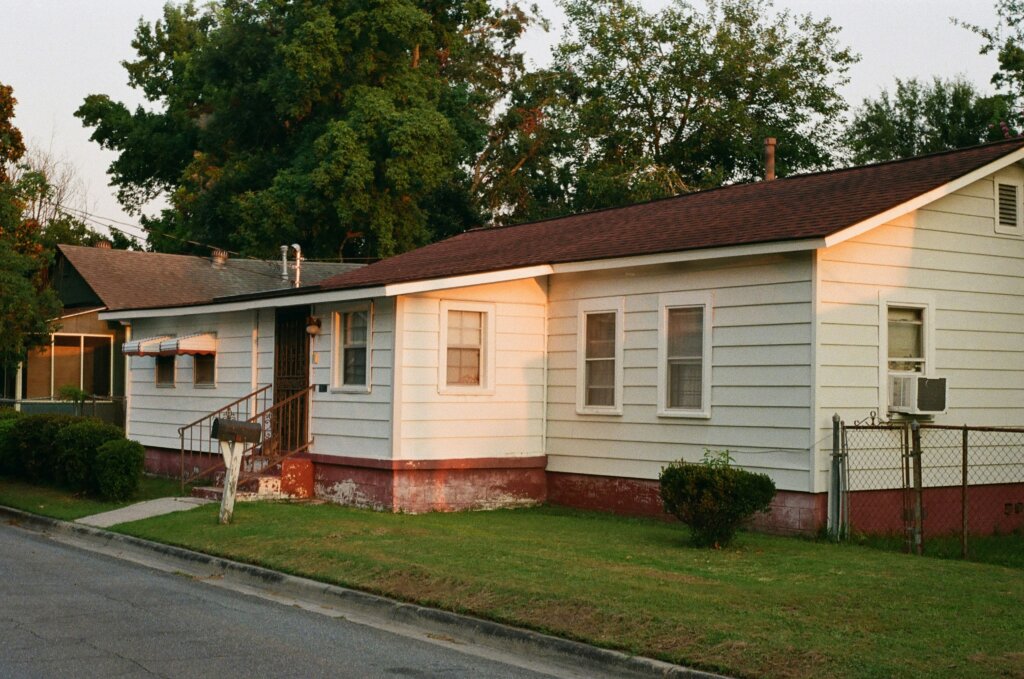
The Hidden Costs of Selling a House. How to Prepare
When you sell, it’s natural to focus on the listing price, agent commissions, and expected profit. But the hidden costs of selling a house — from repairs and staging to closing fees and holding expenses — can quickly eat into your proceeds. Planning ahead helps you protect your bottom line and keep more money in your pocket.
This article breaks down the most common home selling expenses, the unexpected fees sellers face, and practical steps you can take right now — including using a net-proceeds calculator and getting a pre-listing inspection — so you can make smarter decisions when selling your home.
The Most Common Home Selling Expenses
When you prepare to sell your home, routine costs add up fast. Below are the major categories of fees and expenses sellers commonly face, with quick guidance so you can estimate impact on your net proceeds.
Agent Commissions and Fees
Most sellers pay a commission to the real estate agents who market and negotiate the sale. National averages often fall around 5–6% of the sale price (typically split between the listing agent and the buyer’s agent), though local rates vary. That commission usually covers marketing, showings, and agent time — but make sure you confirm which services are included before signing an agreement.
Home Repairs and Pre Listing Updates
Getting your house market-ready often requires spending on repairs and updates. Common items include painting, flooring, landscaping, and professional staging. Staging and quality photography can help homes sell faster and for higher prices, but they are upfront expenses to budget. Small cosmetic fixes may cost a few hundred dollars, while larger updates can reach several thousand — factor these into your costs-selling-home estimate.
Closing Costs for Sellers
In addition to commissions, sellers commonly pay closing costs that generally range from about 1–3% of the sale price, depending on location and transaction details. Typical seller closing items include:
• Escrow and attorney fees — can vary by provider and state
• Title insurance and title-related fees — who pays varies by market
• Transfer taxes and recording fees — local taxes and recording charges at closing
• Prorated property taxes or HOA dues — sellers typically pay their portion up to the closing date
Because rules and who pays certain fees vary by region, ask your agent or title company for an itemized estimate of seller closing costs before you list. For a quick sense of scale: on a $500,000 sale, 1–3% equals $5,000–$15,000 in closing fees in addition to commissions and repair costs.
Unexpected Costs When Selling a Home
Beyond the obvious fees, a few hidden costs can quietly reduce your net proceeds if you don’t plan for them. Here are the most common surprises and simple ways to limit their impact.
Holding Costs
While your home is on the market you still pay ongoing expenses. Typical items include:
• Mortgage payments — your monthly principal and interest continue until closing
• Property taxes — prorated at closing, but you may still owe interim tax bills
• Homeowner’s insurance and utilities — basic carrying costs while listed
• Lawn care, snow removal, pool maintenance — recurring service fees that add up
Example: if your mortgage, taxes, insurance and utilities total $3,000/month, a three‑month market time equals $9,000 in holding costs. To reduce this risk, ask your agent about pricing strategies, consider a shorter marketing window, or explore bridge financing if you’re buying another home.
Buyer Incentives and Concessions
Inspections or appraisals can trigger buyer requests for credits, repairs, or a home warranty. In many markets sellers agree to several thousand dollars in concessions to keep a sale on track. A pre-listing inspection can reveal issues early so you decide whether to repair, disclose, or adjust price — often saving time and negotiation headaches.
Double Housing Costs
Buying or renting a new home before your current house sells can temporarily create two mortgage or rent payments plus moving costs. To avoid this strain, consider contingencies in your purchase offer, negotiate a rent‑back with the buyer, or time your closing and move dates carefully. Talk to your lender and agent about bridge loans or contingency strategies that fit your market and timeline.
How to Plan for Real Estate Closing Costs
Protecting your profit starts with a clear plan. Use these practical steps to estimate seller closing costs and reduce surprises at the table.
• Use a net-proceeds calculator: enter your expected sale price, outstanding mortgage balance, estimated agent commission, and a 1–3% estimate for closing costs to see your likely take‑home money. This quick math helps set a realistic target sale price.
• Ask about title fees, commissions, and transfer taxes early: request an itemized estimate from the title or escrow company. Title insurance and recording charges vary by state; knowing who typically pays what in your area prevents last‑minute surprises.
• Build a buffer: set aside one to two percent (or up to 3% in some markets) of your home’s price to cover unexpected closing costs, repairs, or buyer concessions. For example, on a $500,000 home a 2% buffer equals $10,000.
Transparency and preparation are especially important when selling a home in Metro Detroit, Michigan—local transfer taxes and title practices can affect what you pay. Ask your real estate agent and title company for local estimates, and consult your tax advisor about potential capital gains implications when calculating your net proceeds.
How to Avoid Surprise Home Sale Fees
Unexpected charges at closing are one of the biggest frustrations sellers face. Some large iBuyer platforms and wholesale buyers include fees that reduce your net proceeds more than expected. Use the steps below to limit surprises and protect your sale price.
Get a Pre Listing Inspection
A pre-listing inspection identifies issues buyers often flag later. Ask the inspector for a prioritized list of defects and ballpark repair costs so you can decide whether to repair, disclose, or price issues into the listing. Typical inspection items include roof condition, HVAC, electrical, plumbing, and structural issues — knowing these ahead of time reduces last-minute concessions and negotiation delays.
Work With an Experienced Local Professional
A local agent knows what buyers in your market expect and which updates actually move the needle. Ask potential agents for an itemized marketing plan and a list of recent comparable sales so you can weigh staging and repair costs against expected price gains. Good agents will also provide a breakdown of likely fees so you can compare true net offers.
Understand Your Contracts
Before you sign, review offers and contracts carefully. Confirm who pays which fees, whether the buyer requests credits for repairs, and what happens if financing falls through. A simple script to use: “Please provide an itemized list of seller fees, title and escrow charges, and any buyer concessions included in this offer.” Clear communication prevents costly misunderstandings and helps you choose the offer that best preserves your proceeds when you sell your home.
Should You Consider a Cash Offer Instead?
A cash offer can remove many of the typical costs and delays that come with a traditional listing. Cash buyers usually buy homes as-is, which reduces or eliminates certain selling expenses — but it also often means a lower sale price. Use the checklist below to decide whether a cash offer makes sense for your situation.
• What a cash offer typically saves you:
— No repairs or staging in many cases
— Fewer or no open houses and repeated showings
— No waiting for mortgage approvals, so closings are faster
• Trade-offs to weigh:
— Offer price: cash offers commonly come in below market value. Compare the net proceeds after typical commission and repair savings to see which option gives you more money.
— Certainty and speed vs. maximum price: cash closes fast (sometimes in days to a few weeks) and reduces financing risk, but that speed has a cost.
Quick example: on a $400,000 home a typical traditional sale might net you (after 6% agent commissions and $10,000 in repairs/closing costs) X dollars — while a cash offer at 92% of market could net a similar or lower amount once you factor what you saved. Run the numbers with a net-proceeds calculator and get 2–3 cash offer quotes to compare.
If speed, certainty, and avoiding extended holding costs matter more than squeezing out the highest price, a cash offer from local buyers can be a good way to sell your home. If you want a quick net-check, request multiple cash offer estimates and compare them against an agent-listed net-proceeds calculation.
Frequently Asked Questions
1. How much do sellers typically lose to hidden costs?
There’s no single answer, but a practical rule of thumb is that sellers often see 8–10% of the home’s value go toward commissions, closing costs, repairs, and holding expenses. That’s an estimate — on a $500,000 home it could equal roughly $40,000–$50,000. Use a net-proceeds calculator to model your exact situation and include line items for agent fees, repairs, prorated taxes, and expected holding costs.
2. Can sellers negotiate who pays closing costs?
Yes. Closing-cost responsibility is negotiable and depends on market strength. In a buyer’s market sellers may offer to cover some buyer costs to get a deal done; in a seller’s market buyers often cover more. Discuss strategy with your agent early and request itemized fee estimates so you can negotiate with clear numbers.
3. Are staging and photography worth the cost?
Often, yes. Professionally staged homes and high-quality photos commonly attract more buyers, generate stronger offers, and can shorten time on market. While staging and photography are upfront costs, they frequently improve the sale price enough to justify the expense. Ask your agent for recent comps showing staged vs. unstaged results in your market.
4. Is there a way to avoid repairs and most selling costs?
Yes — a fast cash sale can let you sell as-is without investing in repairs, staging, or a long marketing campaign. Cash offers may be lower than the highest market price, but you save on commissions, holding costs, and the risk of buyer financing falling through. Get multiple cash-offer estimates and compare net proceeds to a traditional sale before deciding.
5. What about taxes — do I owe capital gains when I sell?
If the property is your primary residence you may qualify for the federal capital gains exclusion (up to $250,000 for single filers and $500,000 for married filing jointly), but tax rules vary and state taxes may apply. Discuss capital gains and tax implications with a qualified tax advisor before you finalize a sale so you can factor potential taxes into your net proceeds.
Final tip: Run the numbers and get help.
Before you list or accept an offer, use a net‑proceeds calculator, ask your agent and title company for itemized estimates, and consider getting a cash‑offer quote to compare. Planning ahead turns hidden costs into predictable expenses and helps you keep more of the money from your home sale.