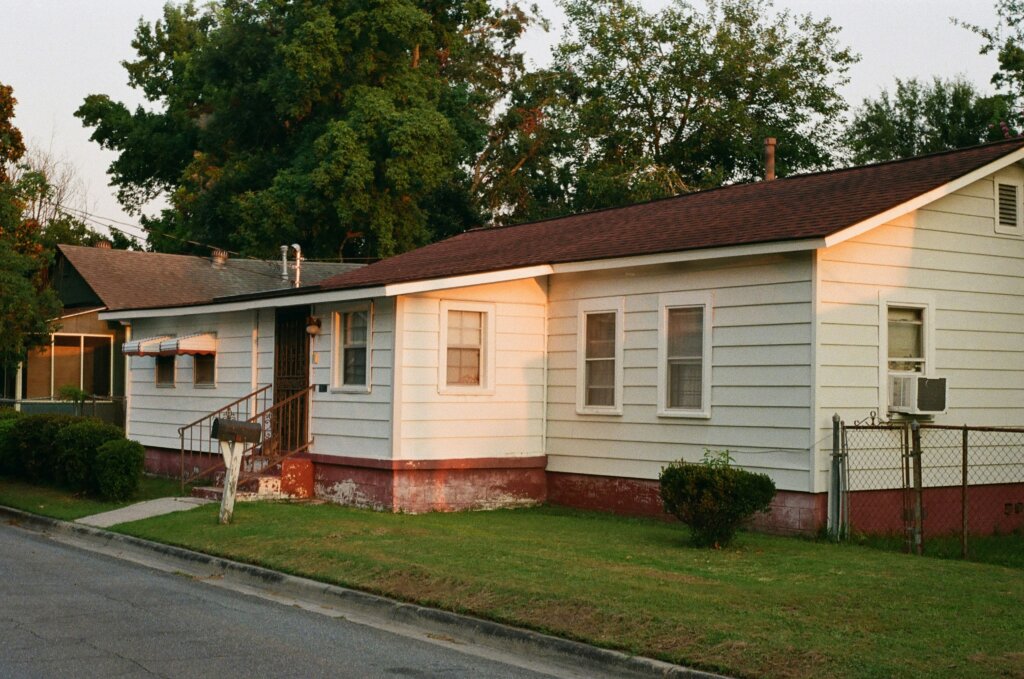
Selling My House for Cash. How It Works
If you’re selling my house for cash, you likely want a faster, simpler path than a traditional listing. Cash sales let homeowners avoid lengthy lender approvals, multiple showings, and some repair costs that come with conventional real estate transactions.
This guide walks you through the cash-sale process step by step — how to find cash buyers, what to expect during property evaluation, how offers and negotiation work, and what happens at closing. We focus on practical advice for homeowners in Metro Detroit, Michigan.
Whether you plan to work with a local cash buyer, an investor, or want agent help to compare offers, this article will help you decide the best way to sell — and what costs, timelines, and tradeoffs to expect. Read on to learn whether a cash option is right for your home and timeline.
The Process of Selling a House for Cash
Here’s a simple, step-by-step view of how a cash sale typically works. Compared with a traditional real estate listing, the cash route cuts out lender underwriting and many financing delays, so you can move from contact to closing much faster.
Typical flow (estimates):
- Find a buyer — online search, referrals, or a local real estate investor/company. (Timeline: days)
- Property evaluation — buyers review photos, public records, and may do a quick walkthrough. (Timeline: 1–7 days)
- Receive and review offers — cash offers usually state price, closing window, and conditions. Negotiate if needed. (Timeline: 1–7 days)
- Closing — title work, sign documents, get paid. With a cash buyer there’s often no lender wait. (Timeline: a few days to a few weeks)
Cash buyers are usually investors or local companies that buy homes as-is. That means fewer repairs and fewer showings compared with a traditional sale with a real estate agent. The tradeoff: a cash offer may be below full market value or a typical sale price because the buyer is taking on risk and possible repairs.
If you want agent help to compare options, a local real estate agent can provide a market-priced listing estimate and show how net proceeds compare between listing and a cash sale. For practical next steps, jump to “Finding a Cash Buyer” below to see how to vet buyers and request offers.
1. Finding a Cash Buyer for Your House
Finding the right cash buyer is a key first step if you want to sell house quickly. Homeowners usually start with online searches for local cash buyers or investors, ask for referrals, or contact a real estate agent to get introductions to reputable companies that buy houses for cash.
Where to look (quick tips):
- Search terms: “cash home buyers Metro Detroit,” “cash buyers near me,” “sell house for cash,” or “real estate investors Troy .”
- Referrals: ask friends, family, or your real estate agent for companies they’ve worked with.
- Local investor groups and community boards often list investors and companies that buy homes as-is.
Red flags and vetting checklist — ask each potential buyer for:
- Proof of funds or bank statement showing they can complete a cash purchase.
- References or recent transactions in your area, and online reviews (look for consistent, verified feedback).
- Clear explanation of fees, any assignment or administrative costs, and who pays closing costs.
- A timeline for inspection, offer, and closing so you know how many days the sale might take.
Typical initial contact: many buyers start with a phone call or online form. Expect to share basic property details and photos; buyers may request a quick walkthrough to confirm condition before making an offer. That initial exchange usually takes a few days.
Agent help vs. direct cash buyer — which to choose:
- Use a real estate agent if you want listing exposure and to potentially get a higher sale price, but expect more showings, repairs, and longer time on market.
- Choose a direct cash buyer or investor if speed, convenience, and avoiding repairs are your priorities — be prepared for offers below full market value.
If you want to move forward, prepare a short packet for buyers: recent photos, property details (bed/bath/sq ft), recent tax bill, and notes on major systems. That makes the evaluation faster and leads to quicker offers.
2. Property Evaluation
Cash buyers typically perform quick, informal property evaluations to determine a fair market approach and estimated purchase price. Instead of a full appraisal tied to lender rules, buyers often review photos, public records, recent comps, and basic home details; some will request a short in-person or virtual walkthrough to confirm condition.
Many cash buyers purchase homes as-is, which means you won’t need to complete repairs or stage for showings. That convenience speeds the sale, but it usually leads to offers below full market value because the buyer factors in repair costs, holding costs, and resale risk.
What to prepare for a faster evaluation:
- Clear recent photos of interior and exterior (good lighting helps buyers estimate repairs).
- Basic property facts: beds/baths/square footage, year built, and notable updates or problems.
- Copies of the most recent tax bill, utility or insurance records, and any known liens or code violations.
Example of how repairs affect offers: a buyer estimating $10,000 in repairs and a 10% investor margin on a home with a fair market value of $150,000 might reduce a cash offer by roughly $25,000–$30,000 to cover repairs, carrying costs, and profit. (Illustrative only — exact adjustments vary by property and market.)
Risks and safeguards: selling as-is speeds the sale but does not remove legal disclosure requirements (for example, certain state disclosures still apply). If you’re worried about unknown issues, consider ordering an independent inspection or title review before accepting an offer to protect your interests and clarify the home value.
3. Offer and Negotiation
After the buyer evaluates your home, they’ll present a written offer. A typical cash offer spells out the proposed sale price, the expected closing window, and any conditions (for example, brief access for a walkthrough or title review). Take time to read every line—cash offers are simpler than financed deals, but details matter.
Sample offer scenario (illustrative): a home with a fair market estimate of $150,000 receives a cash offer of $125,000 because the buyer expects $10,000 in repairs and needs margin for holding and resale. After negotiating timing or minor price changes, a seller might accept $128,000 with a 14-day closing—faster than a traditional listing but below the typical listing sale price.
Negotiation is possible. Use this short checklist when reviewing any offer:
- Verify proof of funds to confirm the buyer can close the cash offer.
- Confirm who pays closing costs and any fees (ask for all offers and fees in writing).
- Check title status and ask for a title company or closing agent you trust.
- Compare the cash offer to an estimated sale price if you listed with an agent to evaluate net proceeds after costs and repairs.
How to verify a buyer’s reputation: look for consistent positive reviews, ask for references or recent transaction examples, and confirm the buyer’s company information. Reputable buyers (including local companies and investors) should be transparent about their offers and willing to answer questions about timeline and costs.
If you need agent help to evaluate multiple offers or list the home, a real estate agent can produce a comps-based sale price and run the math on net proceeds vs. a cash offer. That comparison often helps sellers choose the best way to sell based on their timeline and priorities.
4. Due Diligence. Often Minimal or Waived
One advantage of selling for cash is a streamlined due diligence process. Because cash buyers are not relying on lender appraisals or mortgage underwriting, many inspections and appraisal steps that slow a traditional sale are reduced or waived—speeding the timeline from offer to closing.
That said, “minimal” due diligence does not remove all risk. Cash buyers still typically run title searches and confirm liens, and many will perform at least a brief property check. As the seller, you can also request your own inspection or appraisal if you want extra assurance about home value or potential repairs.
When to waive due diligence vs. when to insist on checks:
- Waive some checks if you need speed, have clear title, and trust the buyer’s proof of funds—this can shorten closing time considerably.
- Insist on an independent inspection or title review if there are unknowns about property condition, possible liens, or environmental issues—this protects value and reduces post-closing disputes.
Minimal third-party checks sellers should consider before accepting an offer:
- Title search to confirm no outstanding liens or encumbrances.
- Independent inspection to identify major repairs that could affect home value.
- Basic environmental or code checks if the property has a known history (e.g., flood plain, past violations).
Recommended contract language and protections to request from buyers:
- Proof of funds clause — buyer provides bank verification with the offer.
- Capped repair allowance — limit post-inspection repair requests to a fixed dollar amount or percentage.
- Clear timeline for closing and who is responsible for specific closing costs.
In short, cash sales can save time and simplify the sale process, but balancing speed with sensible checks (title, basic inspection) preserves value and minimizes risk for both seller and buyer.
5. Closing the Sale
One of the biggest advantages of selling your home for cash is a faster, simpler closing. Because there’s no lender to underwrite a mortgage, many cash transactions move from signed contract to closing in days or a few weeks, depending on the timeline you and the buyer agree to.
Most cash closings are handled through a title company or closing attorney to ensure deed transfer, payoff of any liens, and secure funds distribution. At closing you’ll sign the final documents, transfer ownership, and receive your payment—typically by wire or certified funds.
What to expect at closing:
- Bring government ID and any documents requested by the title company.
- Sign deed and settlement documents assigning the house to the buyer.
- Title company pays off liens (if applicable) and disburses net sale proceeds to you.
- Exchange keys and confirm utility transfer or final readings.
Closing costs vary by company and by market. Before you accept an offer, confirm who pays which costs (title fees, recording fees, escrow charges). In many cash deals the buyer covers more closing costs, but you should get that in writing and compare the net proceeds to an agent-listed sale price so you understand the financial tradeoff.
Closing day checklist (quick): photo ID, a copy of the contract, keys, forwarding address for tax/utility notices, and confirmation of how you’ll receive funds. Ask the buyer or title company in advance whether funds will be wired or issued as a cashier’s check and how long disbursement takes.
Ready to Sell Your House for Cash?
If speed and simplicity matter more than capturing full market price, selling your home for cash can be an excellent option. Cash offers remove many of the common hurdles of traditional listings—fewer repairs, fewer showings, and faster closings—so homeowners can move on their timeline with less stress.
How to take the next step: request written offers from two or three local cash buyers or investors, and ask a real estate agent for a comps-based sale price so you can compare net proceeds. Always ask for proof of funds, a clear timeline to closing, and an itemized list of any fees before you accept a cash offer.
When to choose a cash buyer vs. a listing with an agent:
- Choose a cash buyer if you need fast closing, want to avoid repairs, or face time-sensitive situations (moving quickly, avoiding foreclosure, probate, or inherited property). Cash buyers can often close in days or a few weeks.
- List with a real estate agent if maximizing sale price and home value is your priority and you’re willing to invest time in showings, minor repairs, and marketing to reach a wider pool of buyers.
Common seller questions (quick FAQ):
- Will a cash offer be lower than listing? Often yes—cash buyers typically offer below full market price to cover repairs, carrying costs, and their margin. Compare offers to a comps-based sale price to decide.
- How long does closing take? Cash closings can happen in a few days to a few weeks depending on title work, buyer readiness, and agreed timeline.
- Are repairs always required? No—many cash buyers buy as-is, letting you avoid repairs and showings. Note: required legal disclosures still apply.
Safety reminder: verify any buyer or company before signing—check online reviews, ask for references, and request proof of funds. Use a reputable title company or closing attorney to handle the transfer and funds. These steps protect your value and ensure a secure closing.
If you’re in Metro Detroit and want to compare options, request at least two cash offers and a market-priced estimate from a real estate agent to evaluate net proceeds, offers, and closing timelines. That comparison will show whether a cash offer or a listing better fits your priorities and home value goals.
Ready to get started? Ask for written cash offers, request proof of funds, and compare the offers to an agent’s sale price estimate. Taking these steps will help you choose the best way to sell your home and give you confidence at closing.