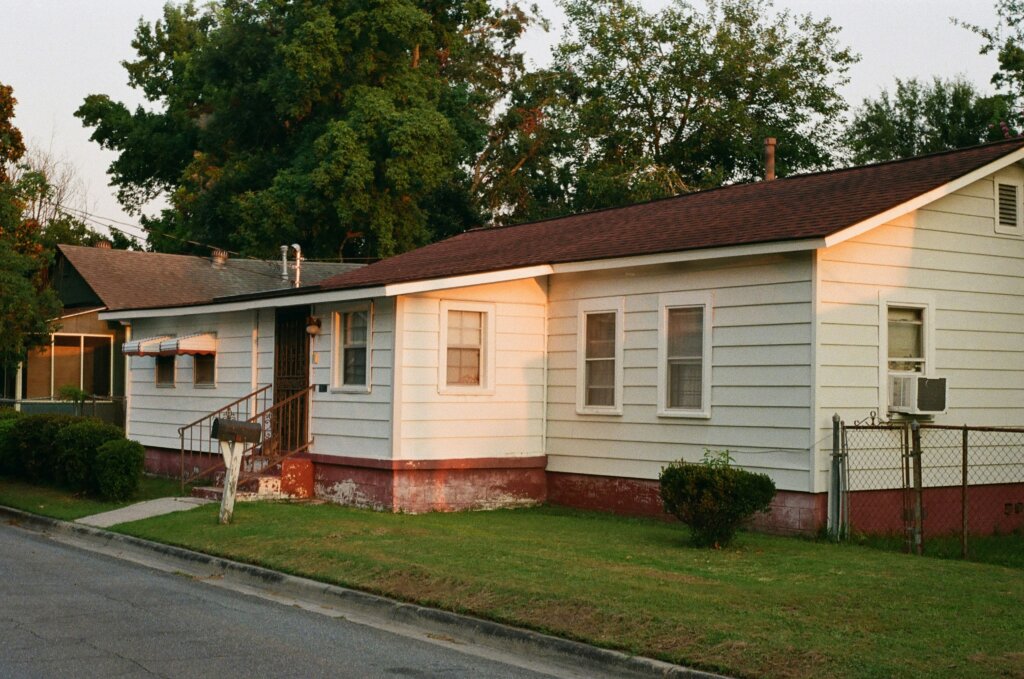
Why Sell My House for Cash vs a Traditional Sale
If you’re selling a home, one of the first big decisions is whether to pursue a traditional sale or a cash home sale. Each way has trade-offs: a cash sale typically delivers speed and certainty, while a traditional listing can capture a higher sale price after competition on the market. Your timeline, need for net cash, and willingness to work with an agent will determine which path fits best.
For homeowners in Metro Detroit, Michigan, there are several practical options to sell a house — from listing with an agent and accepting offers over weeks to accepting a cash offer that can close in days. If you want a quick estimate of your choices, get a free cash offer or a market valuation to compare net proceeds and timelines.
What Is a Cash Home Sale?
Quick and Simple Process
A cash home sale means a buyer—often an investor or a professional home‑buying company—pays for your property with cash or readily available funds rather than relying on a mortgage. Because there’s no lender involved, these transactions are typically faster and simpler: sellers can receive a cash offer quickly and, in many cases, close in as little as 7–14 days depending on title and paperwork. Keep in mind some cash buyers still perform a title search or a light inspection, but financing delays and lender appraisals are usually avoided.
No Middlemen Involved
With a cash sale you usually work directly with the cash buyer, so there’s no need to list with an agent or pay standard realtor commissions. That direct relationship often makes the process more transparent and reduces the number of people coordinating the sale—though you should still insist on proof of funds and a clear contract to protect yourself.
Ideal for Homeowners Who Need Fast Cash
Selling your house for cash is often the best way to move quickly in time‑sensitive situations—foreclosure, probate, sudden relocation for work, divorce, or when you own a property that needs costly repairs. Typical seller scenarios that fit a cash sale include: facing mortgage deadlines, needing immediate money, or wanting to avoid months on the market. Example timeline: inquiry → cash offer within 48 hours → closing in about 7–10 days (subject to title clearance).
If you’d like to see how a cash offer compares to listing on the MLS, get a free cash offer and a complimentary market valuation to compare timelines, net proceeds, and the work required to sell.
What Is a Traditional Home Sale?
The Conventional Approach
A traditional home sale typically means listing your house on the open market with a real estate agent, scheduling showings and open houses, and negotiating offers from buyers. This route is most common when your property is in good condition and you want to attract buyers who will finance the purchase with a mortgage.
More Time-Consuming
Traditional sales generally take longer than cash transactions. Typical timelines range from about 30 to 60 days from accepted offer to closing, though complexities like financing contingencies, appraisal delays, or inspection negotiations can extend that. Common financing steps that affect timing include buyer pre‑approval, loan underwriting, appraisal, and final mortgage commitment.
Extra Costs and Commissions
When you work with an agent, sellers typically pay commission—often around 5–6% of the sale price (regional variation applies). On top of commissions, preparing a home for market may require repairs, staging, professional photography, and continuous upkeep while the house is listed, all of which reduce net proceeds. Additionally, buyers using mortgages may request concessions after inspections or appraisal shortfalls.
Quick financing overview (sequence):
- Buyer pre‑approval → offer accepted → inspection contingency & repairs negotiated → lender appraisal → underwriting → loan clear to close.
Example comparison (illustrative): on a $200,000 sale, a 6% commission is $12,000. After commissions, repairs, and closing costs, the seller’s net can be substantially lower than a streamlined cash sale—though a traditional sale often yields a higher gross sale price. Use a net‑proceeds calculator or get a market valuation to compare your options directly.
Cash Offer vs Traditional Sale: Key Differences
Speed of Sale
Cash offers shorten the timeline dramatically. A legitimate cash buyer can often provide a firm cash offer within 24–72 hours and, assuming clear title, close in as little as 7–14 days. By contrast, traditional sales commonly require 30–60 days (or longer) because buyers rely on mortgage approvals, appraisals, and lender underwriting.
Repairs and Staging
Cash buyers frequently purchase properties as-is, which means fewer pre-sale repairs, no professional staging, and minimal cleaning required—saving sellers time and money. Traditional buyers usually expect a move-in-ready home, which can require repairs, staging, and ongoing upkeep while the house is listed, increasing the total cost and effort for sellers.
Financial Certainty
Cash buyers have available funds or reliable financing sources, which reduces the risk that a sale will fall through due to loan denial. Traditional sales carry higher risk of collapse when buyers’ financing is delayed, appraisals come in low, or inspections reveal issues that trigger renegotiation.
Costs and Fees
Selling for cash often eliminates realtor commissions and many pre‑sale expenses, so the amount you actually take home can be closer to the offered price—though cash offers are typically lower than the top market price. Traditional sales can produce higher gross prices but subtract commissions (commonly around 5–6%), repair costs, concessions, and closing fees from the seller’s net proceeds.
Flexibility in Closing
Cash buyers typically give sellers more control over the closing date—allowing you to choose a fast closing in days or schedule a closing that fits your moving timeline. Traditional sales are often constrained by the buyer’s lender schedule and underwriting timelines.
Buyer Type
Traditional buyers are usually owner-occupants financing with a mortgage. Cash buyers are often investors or home‑buying companies who purchase year-round and evaluate deals based on return on investment rather than emotional attachment or market timing.
Benefits of Selling a House for Cash
- Faster closing — cash sales dramatically shorten the timeline. A vetted cash buyer can present a cash offer in 24–72 hours and, with clear title, close in about 7–14 days, which is ideal when sellers need money quickly or want to avoid lengthy mortgage timelines.
- No realtor commissions — selling directly to a cash buyer usually eliminates the listing agent commission (commonly 5–6%), which can save sellers thousands. That said, confirm whether any buyer-side fees or closing costs apply so you can compare net proceeds accurately.
- Less stress — fewer showings, no open houses, and fewer parties involved reduce the emotional and logistical burden of selling. Cash buyers and home‑buying companies often manage paperwork and coordinate closing details to simplify the seller’s experience.
- Flexible timelines — many cash buyers accommodate the seller’s preferred closing date, whether you need to close in days or want extra time to move, giving you control over the timeline.
- As‑is sale — cash buyers commonly purchase properties in their current condition, meaning no costly repairs or upgrades before the sale. This is particularly helpful if your house needs work or you don’t want to invest time and money into market-ready improvements.
When this is best: sellers facing foreclosure or urgent mortgage obligations, owners relocating for work who need quick money, or anyone with a house that requires repairs and can’t wait weeks for offers. To compare outcomes, request a free cash offer and a complimentary market valuation to see how the cash sales route stacks up against a traditional listing in net proceeds and timeline.
Benefits of a Traditional Home Sale
Larger Buyer Pool
Listing your home on the open market exposes it to more potential buyers through the MLS, agent networks, and open houses. Greater exposure increases competition and the chance of receiving multiple offers, which can push the sale price higher—especially in a strong local market where buyers are actively looking for homes.
More Financing Options
Traditional buyers often finance purchases with conventional, FHA, or VA loans, widening the pool of qualified buyers. More financing options can mean more offers and, in some cases, a higher final sales price—though appraisals and loan contingencies can extend the timeline or trigger renegotiation.
Emotional Value
Selling to a family or buyer who plans to live in the home can provide emotional satisfaction and sometimes smoother negotiations. For many sellers, knowing the buyer values the property as a home—not just an investment—adds non‑monetary value to the transaction.
How exposure translates to value: MLS listings, agent marketing, professional photos, and open houses give buyers a clear view of your property’s condition and features, increasing the likelihood of competitive offers that can maximize your sale price. If your house is in good condition and you want to chase the highest price, a traditional sale often makes the most sense—just factor in repairs, staging, and the time it takes to close.
Can I Sell My House for Cash Without a Realtor?
Yes, You Can
One of the main advantages of a cash home sale is that sellers can often complete the transaction without a real estate agent. Selling directly to a cash buyer or investor can eliminate listing commissions and speed up the selling process—useful in situations where you need money fast or want to avoid months of showings.
The Role of Cash Home Buyers
Cash buyers are typically investors or professional home‑buying companies that understand the paperwork and the closing process. They often handle title work, coordinate with escrow or title companies, and can manage most of the transaction logistics—helping sellers avoid the back‑and‑forth that comes with buyer financing and inspections.
How to protect yourself when selling without an agent:
- Request proof of funds before accepting a cash offer (bank statements or escrow verification).
- Use a licensed title or escrow company to handle closing and protect funds.
- Vet cash buyers—ask for references, read reviews, and confirm they purchase properties in situations like yours (probate, repairs, relocation).
- Have a clear, written purchase agreement that spells out closing costs, any fees, the closing date, and what “as‑is” covers.
Questions to ask a cash buyer: Do you have funds available now? Who pays closing and title fees? Will you buy the property as‑is? Can you provide references from recent purchases in my area?
Which Option Is Right for You?
Choosing between a traditional sale and a cash home sale depends on what matters most to you: maximizing price, minimizing time, or reducing hassle. Below is a short decision checklist and next steps to help you choose.
Choose a cash sale if:
- You need money or a closing in days, not weeks—cash offers often close in 7–14 days.
- Your house needs repairs and you prefer an as‑is sale rather than investing time and money in renovations.
- You want to avoid months of showings, staging, and the uncertainty of buyer financing.
Choose a traditional sale if:
- Your property is in excellent condition and you want to maximize sale price—listing on the market attracts more buyers and competitive offers.
- You’re comfortable working with a real estate agent, covering staging and potential repairs, and waiting 30–60 days (or longer) for closing while buyers secure a mortgage.
- You prefer selling to an owner‑occupant (emotional value) and want the possibility of offers above market price.
Suggested next steps to compare your options:
- Get at least one free cash offer from a reputable cash buyer to see net cash after any fees.
- Request a market valuation from a real estate agent and run a net‑proceeds estimate that factors commissions (commonly 5–6%), repairs, and closing costs.
- Compare timelines and the work required: repairs, staging, and open houses for a traditional sale versus a simpler, as‑is process for cash sales.
If you’d like, take these two quick actions now: get free cash offers to see immediate numbers, and request a free market valuation to compare what a traditional sale could net after commissions and repairs. Understanding both paths—how a cash offer works and what a market sale can yield—will help you pick the best route based on your priorities of price, time, and certainty.