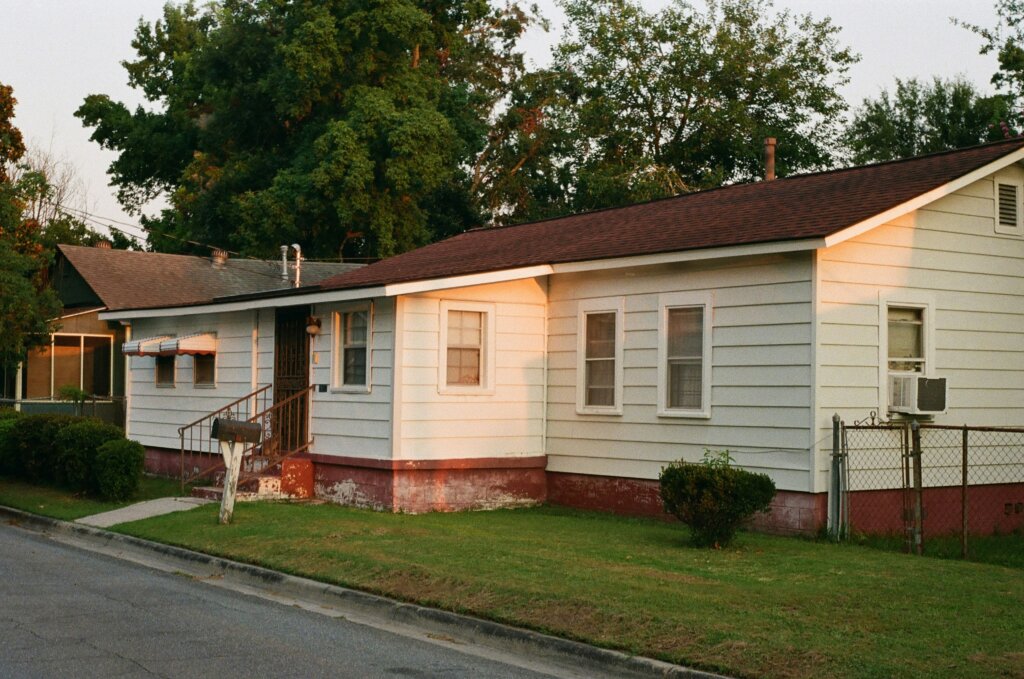
Should You Sell Your House Now or Wait? How to Know When the Time Is Right
There’s rarely a perfect moment to sell a house.
You might wonder whether home prices will rise next year, whether spring will bring more buyers, or whether making a few improvements could help you get a better offer.
Meanwhile, you’re still paying property taxes, insurance, utilities, and possibly a mortgage.
So how do you know when it’s actually time to sell?
The answer isn’t always about the housing market. Sometimes, the right time to sell has more to do with your circumstances than the season or the latest real estate headlines.
At HomeBridge Buyers, we work with homeowners throughout Metro Detroit who are exploring different ways to sell their properties.
Some need to move quickly. Others own houses that require repairs or have simply decided they’re ready for a change.
If you’re trying to decide whether to sell now, wait for better conditions, or consider a cash offer, here’s how to evaluate your options.
The First Question Isn’t When to Sell. It’s Why You’re Selling.
Before looking at home prices or market forecasts, think about what’s motivating your decision.
Are you selling because you want to move somewhere else?
Is your house becoming too expensive to maintain?
Have you inherited a property you don’t plan to keep?
Or are you hoping to sell while property values are favorable?
These situations call for different strategies.
For example, someone selling a move-in-ready house with no deadline may benefit from waiting for favorable market conditions.
But a homeowner paying to maintain a vacant property may find that waiting creates additional expenses without any guarantee of a higher sale price.
The best selling decision balances your financial goals, your property’s condition, and how long you’re comfortable waiting.
Five Signs It Might Be Time to Sell Your House
There’s no universal checklist that tells every homeowner when to sell.
But certain circumstances can make selling sooner worth considering.
1. Your House Needs More Work Than You Want to Take On
Owning a home comes with maintenance responsibilities.
But sometimes those responsibilities become larger than expected.
Maybe the roof needs replacement, the plumbing has recurring problems, or the house requires extensive updates.
You could invest in renovations and try to recover those costs through a higher sale price.
But that isn’t always the most practical option.
Before committing to repairs, consider how much they will cost, how long they will take, and whether they are likely to increase the property’s value enough to justify the investment.
If you don’t want to manage the work, selling the house as-is may be worth exploring.
Many cash home buyers purchase properties in their existing condition, although the anticipated repair costs generally affect the offer.
2. You’re Spending Money on a Property You No Longer Use
A vacant house can quietly become expensive.
Even without anyone living there, you may still need to pay for insurance, property taxes, utilities, lawn care, and seasonal maintenance.
In Michigan, vacant properties also require attention during the winter months, when freezing temperatures can create additional maintenance risks.
Suppose an unused property costs you $600 per month to maintain.
Waiting another six months would mean approximately $3,600 in additional cash outflows.
That’s money you should consider when deciding whether to hold the property for a potentially better sale price.
If you don’t have a clear reason to keep the house, selling may allow you to redirect your time and resources elsewhere.
3. Your Life Has Changed
Sometimes a house that once made perfect sense no longer fits your needs.
Maybe you’ve accepted a job in another state, your family needs more space, or you’re ready to downsize.
Perhaps you’re going through a divorce or managing an inherited property after a family member’s passing.
These situations can make a lengthy home-selling process inconvenient.
If timing matters, a direct cash sale may offer an alternative to preparing the property for a traditional listing.
However, even cash transactions require title work and other closing procedures, so it’s important to discuss a realistic timeline.
4. Managing a Rental Property Is No Longer Worth the Effort
Rental properties can provide income, but they also require ongoing management.
Vacancies, maintenance expenses, tenant communication, and unexpected repairs can change the economics of an investment.
If you’re spending more time and money on a rental than you want to, it may be worth evaluating whether selling would better serve your financial goals.
Some cash buyers consider tenant-occupied properties, which may reduce the need to wait until a property becomes vacant.
Existing leases and tenant rights still apply, so those details need to be addressed as part of the sale.
5. Waiting Is Creating More Uncertainty Than Opportunity
It’s natural to hope that home prices will increase.
But no one can guarantee what your property will be worth six months or a year from now.
Waiting may produce a better outcome if market conditions improve.
It could also mean additional expenses, unexpected repairs, or changes in buyer demand.
If you’ve already decided you don’t want to keep the property long-term, consider whether waiting supports a specific financial objective or simply delays a decision you’ve already made.
Should You Wait for the Housing Market to Improve?
This is one of the most common questions homeowners ask.
And the answer depends heavily on your local market.
Real estate conditions can vary significantly between neighborhoods, even within the same metropolitan area.
In Metro Detroit, a renovated home in a high-demand suburb may attract a different pool of buyers than an older property requiring extensive repairs.
That’s why broad national housing headlines don’t always tell you what your specific property is likely to sell for.
What Happens When Buyer Demand Is Strong?
When more buyers are competing for available homes, sellers may have greater negotiating leverage.
Properties in good condition may attract more interest and potentially stronger offers.
If your home is ready for the market and you have flexibility, listing during favorable conditions may help maximize your sale price.
What Happens When the Market Slows?
When buyers become more cautious, homes may take longer to sell.
Financing costs, affordability concerns, and local inventory can influence demand.
Sellers may need to adjust prices, negotiate repairs, or offer concessions.
A direct cash offer can provide another option because the buyer isn’t dependent on traditional mortgage approval.
However, cash investors also respond to market conditions. A slower market doesn’t guarantee a stronger cash offer.
Does the Season Matter When Selling a House in Michigan?
Seasonality can influence traditional home sales, but it shouldn’t be the only factor in your decision.
Spring: More Buyers, but More Competition
Spring often brings increased buyer activity as people begin planning moves.
For homeowners with move-in-ready properties, this can be an attractive time to list.
However, more sellers may also enter the market, creating additional competition.
Summer: Active Buyers and Moving Schedules
Summer can be convenient for families who want to move before the school year begins.
Longer daylight hours may also make property showings easier.
Still, buyer activity and inventory vary by neighborhood and year.
Fall: A Different Pool of Buyers
As the year progresses, overall activity may slow in some markets.
However, buyers who remain active may have specific reasons for moving.
A well-priced property can still attract interest, particularly when local inventory is limited.
Winter: Fewer Showings, but Selling Is Still Possible
Michigan winters can make moving, exterior maintenance, and property showings less convenient.
But homes still sell during colder months.
If you’re carrying the costs of a vacant or unwanted property, waiting for spring isn’t automatically the better financial decision.
And if you’re considering selling directly to a cash investor, you can generally explore that option throughout the year.
The best season to sell is the one that aligns with your property’s marketability, your financial goals, and your personal timeline.
When Does Selling for Cash Make More Sense Than Waiting?
A cash sale can be particularly appealing when you want to avoid making repairs, reduce the time spent marketing a property, or move forward without waiting for a traditional buyer’s mortgage approval.
For example, imagine you own an inherited house in Detroit.
The property needs updates, nobody lives there, and you’re paying ongoing expenses to maintain it.
You could renovate and list the house in the spring.
Or you could explore selling it as-is now.
The first option might produce a higher sale price, but it also requires more time, money, and coordination.
The second option may allow you to avoid those preparations, although the cash offer could be lower.
Neither approach is automatically better.
The important question is whether the potential additional proceeds from waiting justify the costs and effort involved.
The Real Cost of Waiting Six Months to Sell
Let’s look at a hypothetical example.
Suppose you own a vacant property in Metro Detroit that could sell for $150,000 today.
You’re considering waiting six months because you hope the market will improve.
During that period, you expect to spend:
| Expense | Six-month estimate |
|---|---|
| Property taxes and insurance | $1,800 |
| Utilities | $600 |
| Lawn care and maintenance | $900 |
| Additional repairs | $2,000 |
| Total estimated expenses | $5,300 |
Illustrative figures only. Actual expenses depend on the property and circumstances.
If you wait six months, you’ll need to consider whether a potential increase in sale price is enough to offset those expenses.
For example, if the property increases in value by $3,000 but you spend $5,300 maintaining it, waiting may not improve your overall financial outcome.
On the other hand, if the market improves significantly, waiting could still make sense.
The key is to evaluate both the potential upside and the cost of holding the property.
What If You Need to Sell Because of Financial Pressure?
If you’re struggling with mortgage payments, property taxes, or other financial obligations, the timing of a sale may be especially important.
Selling your property could be one possible solution, but it’s important to understand your alternatives before making a decision.
For example, homeowners facing foreclosure may have options involving their mortgage servicer, loss mitigation programs, or other assistance.
A cash offer doesn’t automatically stop foreclosure proceedings, and a proposed closing date may not align with an upcoming legal deadline.
If you’re facing foreclosure, contact your mortgage servicer promptly and consider speaking with a HUD-approved housing counselor or qualified Michigan attorney.
The goal should be to make an informed decision while you still have options available.
How to Decide Whether to Sell Now or Wait
If you’re unsure what to do, compare the two possibilities using realistic assumptions.
First, estimate what your property could sell for today.
Then consider what you would need to spend if you held it for another three, six, or twelve months.
Account for property taxes, insurance, utilities, maintenance, potential repairs, and any other ongoing expenses.
Next, think about what would need to happen for waiting to produce a better result.
Would the market need to improve significantly?
Would you need to complete renovations?
Would you be comfortable if prices stayed flat or declined?
Finally, consider how much you value being finished with the property.
For some homeowners, that peace of mind is worth more than the possibility of a slightly higher future sale price.
Frequently Asked Questions
Is it better to sell a house now or wait until spring?
It depends on your property and local market. Spring may bring more buyer activity, but waiting also creates additional carrying costs. If your home is ready to list and you have flexibility, seasonal timing may be worth considering.
When is the best time to sell a house for cash?
You can generally explore cash offers throughout the year. The best time depends more on your circumstances, property condition, and financial goals than on a particular season.
Should I sell my house before making repairs?
If the repairs are expensive or you’re unsure whether you’ll recover the investment, compare the cost of renovating and listing with an as-is cash offer before deciding.
Can I sell my house during winter in Michigan?
Yes. Homes sell throughout the year, including winter. Weather and seasonal buyer activity may affect traditional listings, but winter doesn’t prevent you from exploring a cash sale.
Should I wait for home prices to increase?
That depends on your expectations, carrying costs, and willingness to accept market risk. Future price increases aren’t guaranteed, so evaluate the cost of waiting against the potential benefit.
Can I sell my house for cash if I still have a mortgage?
Yes, in many cases. The outstanding mortgage is generally paid from the sale proceeds at closing, provided the transaction can satisfy the required obligations.
You Don’t Have to Predict the Market to Explore Your Options
Deciding when to sell your house doesn’t have to begin with guessing where property prices are headed.
It can begin with understanding your current options.
At HomeBridge Buyers, we help homeowners throughout Metro Detroit explore a straightforward alternative to traditional listings.
Whether you’re dealing with an inherited property, an older house that needs repairs, or a home you no longer want to maintain, we’re here to discuss your situation.
We’ll learn about your property, evaluate its condition, and explain whether a direct cash offer could make sense.
Wondering what your house could sell for today, without making repairs? Request a free, no-obligation cash offer from HomeBridge Buyers.
You can compare the offer with your other options and decide what works best for you.