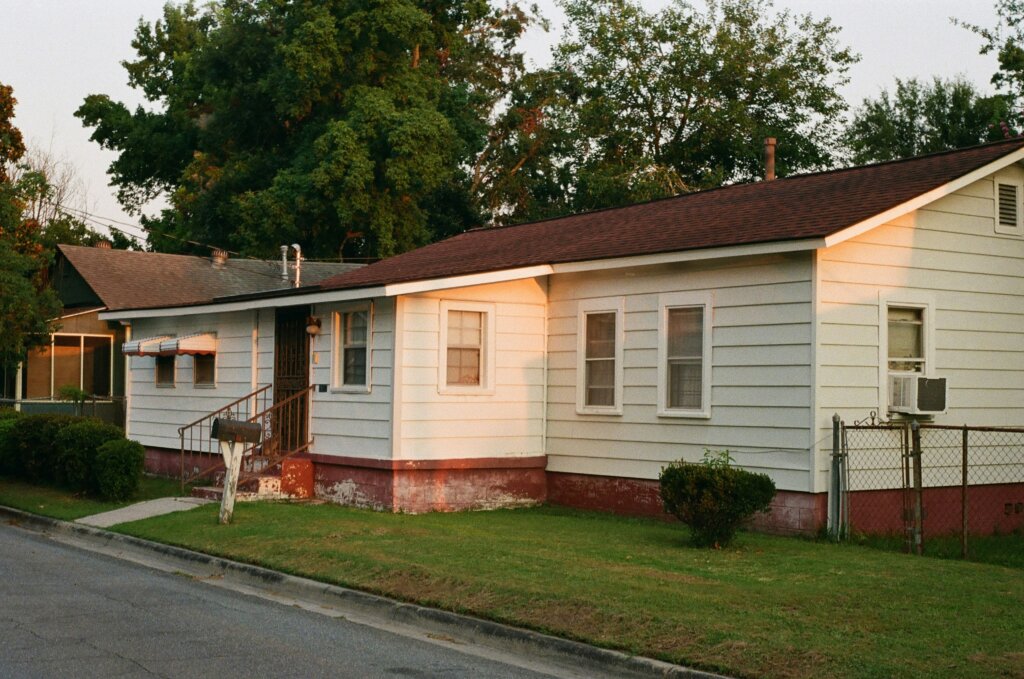
How Does Selling a House for Cash Work in Michigan? From First Call to Closing
If you’re thinking about selling your house for cash, you’ve probably seen companies promising a quick offer, no repairs, and an easy closing.
But what actually happens between contacting a cash buyer and receiving your money?
Does someone need to inspect your house? What happens if you still have a mortgage? Who handles the paperwork? And how do you know the sale will actually close?
These are reasonable questions, especially if you’ve never sold a house directly to a real estate investor.
At HomeBridge Buyers, we believe selling your home should be straightforward, and understanding the process is an important part of that.
In this guide, we’ll explain how a cash home sale works in Michigan, what happens behind the scenes, and what Metro Detroit homeowners should know before moving forward.
First, What Makes a Cash Home Sale Different?
In a traditional home sale, the buyer often needs a mortgage to purchase the property.
That means a lender must review the buyer’s finances, approve the loan, and potentially require an appraisal or other property-related conditions before the transaction can close.
With a cash sale, the buyer purchases the property without depending on traditional mortgage financing.
This can eliminate several common delays.
For example, you generally won’t need to wait for a bank to approve the buyer’s mortgage or worry about the buyer failing to qualify for financing.
But there’s one important distinction:
A cash offer doesn’t mean the house changes ownership immediately.
Even without a mortgage lender involved, the transaction still requires a purchase agreement, ownership verification, title work, closing documents, and a secure transfer of funds.
Here’s how those pieces come together.
What Happens After You Contact a Cash Home Buyer?
The process usually begins with a simple conversation about your property.
You don’t need to have your house professionally photographed, cleaned, or prepared for showings just to get started.
A cash home buyer will typically ask for basic information, including your property’s address, general condition, occupancy status, and any major repairs you know about.
You may also be asked about your preferred timeline for selling.
For example, some homeowners need to move as soon as possible, while others want additional time to relocate or organize their belongings.
A professional buyer should take your circumstances into account when discussing a potential transaction.
Do You Need to Know Exactly What’s Wrong With Your House?
No.
If you’ve noticed a roof leak, plumbing issue, or foundation concern, it’s helpful to mention it. But you don’t need to be a construction expert or know the cost of every repair.
The buyer can evaluate the property’s condition as part of the process.
You should, however, answer questions truthfully and comply with any applicable property disclosure requirements.
How Does a Cash Buyer Determine What Your House Is Worth?
After learning about your property, the buyer needs to determine whether purchasing it makes financial sense.
This usually involves more than simply looking at its estimated value on a real estate website.
A buyer may consider recent comparable sales, the condition of the house, the neighborhood, local market demand, and the cost of potential improvements.
In Metro Detroit, these factors can vary considerably between cities and neighborhoods.
Two houses with similar square footage may have very different values because of their location, condition, and the demand for renovated homes nearby.
What If Your House Needs Major Repairs?
Many cash investors purchase properties specifically because they need work.
That means an outdated kitchen, aging roof, or unfinished renovation doesn’t automatically prevent you from selling.
However, the buyer will generally factor those issues into the offer.
For example, a property that could sell for $180,000 after significant renovations won’t necessarily receive a $180,000 cash offer in its current condition.
An investor must consider the expected renovation costs, carrying expenses, transaction costs, and risks associated with the purchase.
This is why cash offers are often lower than the potential retail value of a fully renovated property.
The trade-off is that you may avoid spending your own time and money preparing the house for the market.
Will Someone Need to Visit Your Property?
In many cases, yes.
A buyer may want to schedule a walkthrough to better understand the home’s condition.
This is different from hosting traditional real estate showings.
Rather than preparing your home for numerous potential buyers, you may only need to provide access for a property evaluation and any additional inspections permitted under the agreement.
During the walkthrough, the buyer might review the roof’s visible condition, major mechanical systems, basement, interior finishes, and other features that affect renovation costs.
You generally don’t need to stage the house or make cosmetic improvements beforehand when dealing with an as-is buyer.
At HomeBridge Buyers, our goal is to evaluate the property as it is, rather than asking homeowners to spend money making it look perfect before discussing a sale.
What Should You Expect From a Cash Offer?
Once the property has been evaluated, the buyer may present a written purchase offer.
The offer should explain the proposed purchase price and the important terms of the transaction.
But the number on the offer isn’t the only thing that matters.
Before signing, make sure you understand:
- The purchase price and any conditions affecting it.
- The proposed closing date.
- Whether the buyer has inspection or cancellation rights.
- Which party is responsible for closing costs.
- What happens to existing mortgages and liens.
- When you’re expected to move out.
- Whether the buyer can assign the contract to another party.
You can also ask how the buyer intends to fund the purchase and whether proof of funds is available.
A good offer is one you understand, not simply one with an attractive number.
Can You Negotiate a Cash Offer?
Yes.
You may be able to negotiate the price, closing date, possession arrangements, or other contract terms.
For example, a homeowner who needs additional time to move might prioritize a later closing date over a small difference in price.
Another seller might prefer a quicker closing, provided the title work can be completed.
What’s important is that the final agreement reflects terms both parties understand and accept.
What Happens After You Sign the Purchase Agreement?
This is where a significant amount of work happens behind the scenes.
Once a purchase agreement is signed, the buyer and closing professionals begin preparing the transaction for closing.
In Michigan, a title company or qualified real estate attorney commonly handles important parts of this process.
One of the most important steps is verifying that the property can be legally transferred to the buyer.
The Title Company Reviews Ownership
The title company examines available property records to help determine who holds title and whether recorded claims could affect the sale.
This may include reviewing deeds, mortgages, liens, judgments, and other recorded documents.
For many properties, the process is relatively straightforward.
But some homes have more complicated ownership histories.
For example, a property may have been transferred between family members, purchased under a land contract, or inherited after an owner’s death.
These situations can require additional research or documentation.
Existing Mortgages and Liens Must Be Addressed
If you still owe money on your mortgage, you can often sell your house for cash.
The mortgage payoff is generally handled as part of closing.
Suppose you agree to sell your house for $140,000 and your remaining mortgage payoff is $55,000.
Before accounting for other closing expenses and obligations, that would leave $85,000.
The closing company coordinates the applicable payoff and disbursement arrangements.
However, other claims against the property may complicate the transaction.
Unpaid property taxes, old mortgages that were never properly discharged, judgments, or other title issues may need to be resolved before ownership can transfer with the title required by the contract.
What If There’s a Problem With the Title?
A title issue doesn’t always mean the sale is impossible.
Sometimes the solution is obtaining a missing document, contacting a previous lender, securing a release, or clarifying the ownership history.
Other situations may require legal proceedings or professional assistance.
The important thing to understand is that even a cash buyer cannot simply ignore legal ownership requirements.
This is one reason a buyer should avoid guaranteeing an exact closing date before reviewing the property’s title.
How Long Does It Take to Close a Cash Home Sale in Michigan?
Cash sales can close faster than transactions involving traditional mortgage financing, but there is no single timeline that applies to every property.
A straightforward transaction with clear ownership, an available buyer, and completed closing preparations may move relatively quickly.
A property with unresolved title issues, probate requirements, or outstanding liens may take considerably longer.
Your preferred closing date matters too.
Not every homeowner wants to close immediately.
Some sellers need time to arrange their next home, coordinate a move, or handle family responsibilities.
When discussing a cash offer, ask the buyer for a realistic closing estimate and an explanation of what could affect the schedule.
A flexible timeline is valuable only when it is achievable.
What Happens on Closing Day?
Closing is the point where the final documents are signed, ownership is transferred, and the transaction is completed according to the agreed terms.
The closing company will typically prepare a settlement statement showing the purchase price and the amounts being paid or deducted.
These may include mortgage payoffs, applicable taxes, closing charges, and other obligations.
You’ll have an opportunity to review the documents and ask questions before signing.
How Do You Receive Your Money?
Your proceeds are typically distributed through the closing process, often by wire transfer or another approved payment method.
The amount you receive will reflect the agreed purchase price minus any applicable payoffs, expenses, and other deductions.
Before closing, confirm the payment method and timing with the title company.
If receiving funds by wire, independently verify wiring instructions using a trusted phone number to help protect against wire fraud.
When Do You Hand Over the Keys?
That depends on the possession terms in your purchase agreement.
In many transactions, possession transfers at closing, but the parties may agree to a different arrangement.
Make sure the move-out date and any obligations concerning belongings or property condition are clearly documented.
What Can Delay a Cash Sale?
Although cash transactions remove mortgage-related delays, other issues can still affect closing.
Common examples include unresolved ownership questions, missing documents, unpaid property taxes, existing liens, probate proceedings, and disagreements about contract terms.
A buyer may also need additional time for inspections or other due diligence, depending on the agreement.
This is why it’s important to work with a buyer who communicates clearly about the process.
If an unexpected issue arises, you should understand what needs to happen next and whether it affects your closing date.
Is Selling to a Cash Buyer Better Than Listing Your House?
It depends on your priorities.
If your property is in excellent condition, you have time to wait, and your main goal is maximizing the sale price, listing with a real estate agent may produce a better financial outcome.
But if your house needs repairs, you’re managing an inherited property, or you simply want to avoid the work involved in a traditional sale, a direct cash offer may be worth considering.
Think beyond the sale price alone.
Consider how much you might spend preparing the house for listing, the time required, ongoing property expenses, potential commissions, and the possibility of a buyer’s financing falling through.
A cash sale isn’t necessarily the right choice for everyone.
It is another option, and understanding the process helps you decide whether it fits your circumstances.
Frequently Asked Questions About Cash Home Sales in Michigan
Can I sell my house for cash without making repairs?
Yes. Many cash investors purchase properties as-is. The buyer will generally consider the property’s condition when determining the offer.
Do I need a real estate agent to sell to a cash buyer?
No. Homeowners can sell directly to a buyer without hiring a listing agent. You can still consult an agent or attorney if you want professional advice.
Can I sell a house that still has a mortgage?
Yes, in many situations. The mortgage is typically paid from the sale proceeds during closing, provided the transaction can satisfy the required obligations.
Does a cash buyer still need a title company?
A title company or closing attorney is commonly used to verify ownership, coordinate payoffs, prepare closing documents, and handle the transfer of funds. Using qualified closing professionals helps protect both parties.
What if I inherited the property but probate isn’t finished?
You may be able to discuss a potential sale before probate is complete, but the transaction cannot close until the person signing has the necessary legal authority and applicable requirements are satisfied.
Can a cash buyer cancel after signing a contract?
It depends on the contract. Some agreements include inspection, title, or other contingencies that allow cancellation under specified circumstances. Review these provisions carefully before signing.
Do I have to accept the first cash offer I receive?
No. You can compare offers, ask questions, and negotiate before deciding whether to sign a purchase agreement.
Ready to Explore a Cash Sale With HomeBridge Buyers?
Selling a house is a major decision, and you deserve to understand what happens at every stage.
At HomeBridge Buyers, we work with homeowners across Metro Detroit who want to explore a more straightforward way to sell.
Whether your property needs repairs, you’ve inherited a house, or you’re simply ready to move on, we’ll start by learning about your situation and evaluating the property.
If it’s a fit, we’ll discuss a cash offer and explain the next steps, including what to expect during the title and closing process.
Request a free, no-obligation cash offer from HomeBridge Buyers.
No need to make repairs before contacting us. No pressure to accept an offer. Just a straightforward conversation about your property and your options.