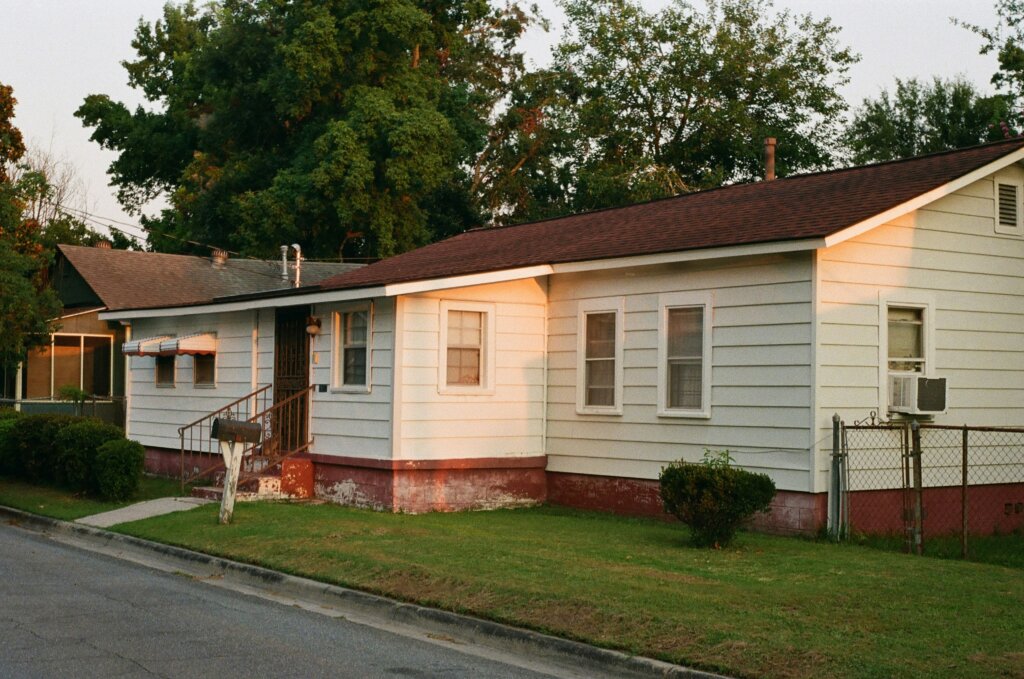
The Hidden Costs of Selling a House in Michigan: What Will You Actually Walk Away With?
Imagine selling your house for $200,000.
Sounds pretty good, right?
But what if you spend $8,000 getting it ready for the market, pay thousands in real estate commissions and closing expenses, and continue covering the mortgage and utilities while waiting for a buyer?
Suddenly, that $200,000 sale doesn’t look quite the same.
One of the biggest mistakes homeowners make when planning to sell is focusing entirely on the sale price instead of the amount they’ll actually receive.
And in Metro Detroit, where older houses may need significant repairs and property values can vary considerably between neighborhoods, understanding those costs is especially important.
At HomeBridge Buyers, we believe homeowners deserve a clear picture of their options before making a decision.
Let’s look at the expenses that can reduce your home sale proceeds, which costs you may be able to avoid, and how to compare a traditional listing with selling your house directly to a cash buyer.
The Sale Price Isn’t the Same as the Money You Take Home
When you sell a house, the final amount you receive depends on more than the price the buyer agrees to pay.
You’ll need to account for any remaining mortgage balance, selling expenses, outstanding obligations, and other costs associated with the transaction.
Real estate professionals often refer to the amount left after these deductions as your net proceeds.
Here’s a simplified example.
Suppose you sell a home in Metro Detroit for $200,000.
| Item | Illustrative amount |
|---|---|
| Final sale price | $200,000 |
| Agent commissions (5% assumed) | -$10,000 |
| Other closing expenses | -$4,000 |
| Repairs and preparation | -$8,000 |
| Additional holding expenses | -$3,000 |
| Mortgage payoff | -$75,000 |
| Estimated net proceeds | $100,000 |
In this hypothetical situation, you sold your house for $200,000 but received approximately $100,000 after the listed expenses and mortgage payoff.
Of course, $75,000 of that difference represents paying off an existing debt, not a cost created by selling.
Your actual numbers could look very different.
The important point is that a higher sale price doesn’t always translate into proportionally higher take-home proceeds.
Real Estate Agent Commissions: What Are You Actually Paying?
When you list your house with a real estate agent, you’ll typically agree to compensation for the services provided.
These services may include pricing guidance, marketing, photography, scheduling showings, negotiating offers, and coordinating the transaction.
Commission arrangements are negotiable, and there is no legally required standard percentage.
Depending on your agreements and the transaction, you may also negotiate compensation or concessions involving the buyer’s agent.
For example, if the total commission expense on a $200,000 sale were 5%, that would equal $10,000.
That doesn’t mean working with an agent is a bad decision.
An experienced agent may help you attract more buyers, negotiate stronger terms, and achieve a higher sale price.
But it’s important to understand the full compensation arrangement before signing a listing agreement.
Can You Sell Without Paying a Listing Agent Commission?
Yes.
If you sell directly to a home buyer without hiring a listing agent, you generally won’t have a listing agent commission.
However, selling without an agent doesn’t automatically eliminate other expenses.
You may still have title fees, transfer taxes, mortgage payoffs, and other closing obligations.
And if you’re selling to a real estate investor, the offer price may reflect the investor’s anticipated repairs, expenses, and profit.
The right comparison is between the net proceeds of each option, not just the commission savings.
Repairs: The Expense That Can Change Your Entire Selling Plan
Many homeowners underestimate what it takes to get a house ready for the traditional market.
You might start with a plan to paint a few rooms and clean up the yard.
Then you discover a plumbing leak, outdated electrical work, or a roof that buyers are likely to question during inspections.
Suddenly, preparing your home becomes a much larger project.
Common Pre-Sale Expenses
Depending on your property’s condition, you might consider spending money on painting, flooring, landscaping, plumbing repairs, roofing, or other improvements.
Not every repair is necessary, and not every renovation will increase your sale price enough to justify its cost.
For example, replacing an outdated kitchen might make a home more appealing, but that doesn’t guarantee you’ll recover the full renovation expense when you sell.
This is particularly relevant for homeowners with older properties throughout Metro Detroit.
If your home needs significant work, it’s worth comparing the cost of preparing it for listing against the possibility of selling it as-is.
What Happens If You Don’t Make the Repairs?
You can still list a property that needs work.
However, its condition may affect buyer interest, the offers you receive, and whether a buyer’s lender will approve financing.
Buyers may also request repairs or credits after an inspection.
Alternatively, you may choose to sell directly to an investor who is willing to purchase the property in its current condition.
That approach can eliminate the need to complete many repairs before selling, although the buyer will generally account for those expenses when determining the offer.
Closing Costs: Expenses That Show Up at the End
Closing costs can be confusing because homeowners don’t always encounter them until they’re reviewing the final numbers.
In Michigan, seller expenses may include title-related charges, transfer taxes, recording costs, attorney fees when applicable, and adjustments for property taxes or other obligations.
Exactly who pays each expense depends on the purchase agreement, local practices, and applicable law.
Michigan Real Estate Transfer Taxes
Michigan generally imposes state and county real estate transfer taxes on taxable property transfers.
Under the general statutory rates, the combined state and county transfer tax in most Michigan counties is $8.60 per $1,000 of consideration, subject to applicable exemptions and special circumstances.
For a taxable $200,000 sale, that would generally equal approximately $1,720.
This is one reason Michigan homeowners should request a transaction-specific closing estimate instead of relying on a generic national percentage.
Title and Settlement Expenses
Title-related work helps identify ownership issues and recorded claims that may affect the property.
Depending on the agreement, seller expenses may include certain title insurance charges, settlement services, or other transaction fees.
Some of these costs can be negotiated between buyer and seller.
Before accepting an offer, ask for a written estimate showing which expenses you’re expected to pay.
The Cost of Waiting for Your House to Sell
Not every selling expense appears on the closing statement.
Some costs accumulate while you’re waiting for a buyer.
These are often called holding costs or carrying costs.
They may include mortgage interest, insurance, property taxes, utilities, lawn maintenance, snow removal, and other ongoing expenses.
If you’re selling a vacant house, you may also need to maintain appropriate insurance coverage and keep the property secure.
What Does an Extra Three Months Really Cost?
Suppose your ongoing property expenses total $1,200 per month.
If selling takes an additional three months, that’s $3,600 in cash outflows.
Not all of that amount is necessarily an economic loss. For example, the principal portion of a mortgage payment reduces your loan balance.
Still, those payments affect your cash flow while you’re waiting to sell.
And if you’ve already moved into another home, the financial pressure can be greater.
That’s why the length of the selling process deserves a place in your calculations.
Buyer Inspection Requests and Last-Minute Negotiations
Accepting an offer doesn’t always mean the price is final.
In many traditional transactions, the buyer has an opportunity to inspect the property before closing.
If the inspection reveals problems, the buyer may request repairs, a price reduction, or a credit.
Whether you’re obligated to agree depends on the contract.
For example, imagine accepting a $190,000 offer.
After inspection, the buyer discovers roof damage and requests a $7,000 concession.
You may negotiate, decline the request, or explore another solution, subject to the agreement.
But if the transaction falls apart, you could find yourself starting the process again.
Cash buyers may also have inspection contingencies, so it’s important to review those terms rather than assume a cash offer is automatically final.
Moving, Storage, and Cleaning Costs
Selling expenses aren’t limited to the real estate transaction itself.
You may also need to pay for movers, temporary storage, junk removal, professional cleaning, or the disposal of unwanted belongings.
These expenses can be especially significant when you’re selling an inherited property or a house that has accumulated years of furniture and personal items.
If you’re preparing a home for listing, you may need to remove belongings before photography and showings.
Some as-is cash buyers may allow you to leave certain unwanted items behind, depending on the agreement.
Always confirm those arrangements in writing.
What If You Still Have a Mortgage or Unpaid Property Taxes?
Before calculating how much money you’ll receive, you need to know what debts must be paid from the sale.
For most homeowners with a mortgage, the outstanding loan balance is paid off during closing.
The title company or closing attorney typically obtains the necessary payoff information and coordinates payment.
Other obligations, such as unpaid property taxes, recorded liens, or judgments, may also need to be addressed.
For example, if your house sells for $150,000 and you owe $90,000 on the mortgage, you have $60,000 remaining before other applicable expenses.
If there are additional liens or tax obligations, those may further reduce your proceeds.
In some situations, title problems can also delay closing.
This is why understanding your property’s ownership and financial obligations early in the process is important.
Traditional Listing vs. Cash Sale: Comparing the Real Numbers
Let’s look at two hypothetical ways to sell the same property.
Suppose you own an older house in Metro Detroit that needs repairs.
You could renovate it and list it with an agent, or you could consider an as-is cash offer.
| Expense | Traditional listing | Direct cash sale |
|---|---|---|
| Sale price | $180,000 | $145,000 |
| Agent commissions | -$9,000 | $0 |
| Repairs before selling | -$12,000 | $0 |
| Closing expenses | -$3,000 | -$1,500 |
| Additional holding expenses | -$3,000 | -$500 |
| Estimated proceeds before mortgage payoff | $153,000 | $143,000 |
Illustrative example only. These figures are assumptions, not actual HomeBridge Buyers offers or verified Metro Detroit market averages.
In this example, the traditional listing produces $10,000 more before the mortgage payoff.
But it also requires the homeowner to fund repairs, manage the listing process, and wait longer for the transaction to close.
For one homeowner, that extra $10,000 may make the traditional sale worthwhile.
For another, avoiding the repairs and reducing the time and effort involved may be more valuable.
Neither option is automatically better. The best choice depends on your financial situation and priorities.
How to Estimate Your Net Proceeds Before Selling
Before choosing how to sell your house, it’s worth preparing a simple estimate.
Start with the amount you reasonably expect the property to sell for.
Then subtract the expenses associated with that particular selling method.
Your calculation should include any expected commissions, closing expenses, repair costs, seller concessions, and additional carrying expenses.
Finally, subtract your outstanding mortgage payoff and any other obligations that must be satisfied.
The result is an estimate of the money you may receive.
Remember that this is a planning calculation, not a guaranteed final settlement amount.
For a more accurate estimate, request a seller net sheet from a real estate agent or title company.
You can also compare that estimate against a written cash offer.
How Selling As-Is Can Reduce Certain Expenses
Selling directly to a cash buyer may help you avoid some of the expenses associated with preparing a property for the traditional market.
For example, you may not need to renovate the kitchen, replace worn flooring, stage the property, or schedule repeated showings.
You may also avoid listing agent commissions if you sell without an agent.
And because a cash buyer doesn’t depend on traditional mortgage approval, the transaction may move more quickly.
However, it’s important to understand the trade-off.
Cash investors generally consider repair costs, transaction expenses, and investment risk when determining what they can pay.
That means the offer may be lower than the price you could achieve through a traditional listing.
The key is to compare both options using realistic numbers.
Frequently Asked Questions About Home Selling Costs in Michigan
How much does it cost to sell a house in Michigan?
There isn’t one fixed amount. Selling expenses depend on the property, your agreements with real estate professionals, applicable transfer taxes, title fees, repairs, and other transaction costs.
Does the seller pay closing costs in Michigan?
Sellers commonly pay certain closing expenses, but responsibility for many charges is negotiable. Your purchase agreement and closing statement determine the specific allocation.
Can I sell my house without making repairs?
Yes. You can list a property in its current condition or explore selling directly to an as-is cash buyer. The property’s condition may affect the offer price.
Do I have to pay commission if I sell directly to a cash buyer?
If you haven’t hired an agent and aren’t subject to an existing commission agreement, a direct sale generally doesn’t involve a listing agent commission. Other closing costs may still apply.
Do I owe taxes when I sell my house?
Potentially. Real estate transfer taxes may apply, and you may also have income tax consequences depending on your property’s use, ownership history, and applicable exclusions. Consult a qualified tax professional for advice about your circumstances.
Is selling to a cash buyer always cheaper?
Not necessarily. A direct sale may eliminate certain expenses, but the buyer may offer less than the property’s potential retail sale price. Comparing estimated net proceeds is the best way to evaluate the financial difference.
Know Your Numbers Before You Decide
Selling a house is about more than finding someone willing to pay a certain price.
It’s about understanding what you’ll actually receive, what you’ll need to spend, and how much time and effort the process will require.
At HomeBridge Buyers, we help homeowners throughout Metro Detroit explore an alternative to traditional listings.
If your property needs repairs, you’ve inherited a house, or you simply want to avoid the expense and preparation involved in listing, we’d be happy to discuss your options.
We’ll learn about your property, evaluate its condition, and discuss a potential cash offer so you can compare it with other selling methods.
Want to know what selling your house as-is could look like? Request a free, no-obligation cash offer from HomeBridge Buyers.
No need to spend money renovating before reaching out. Just a straightforward conversation about your property and what makes sense for you.