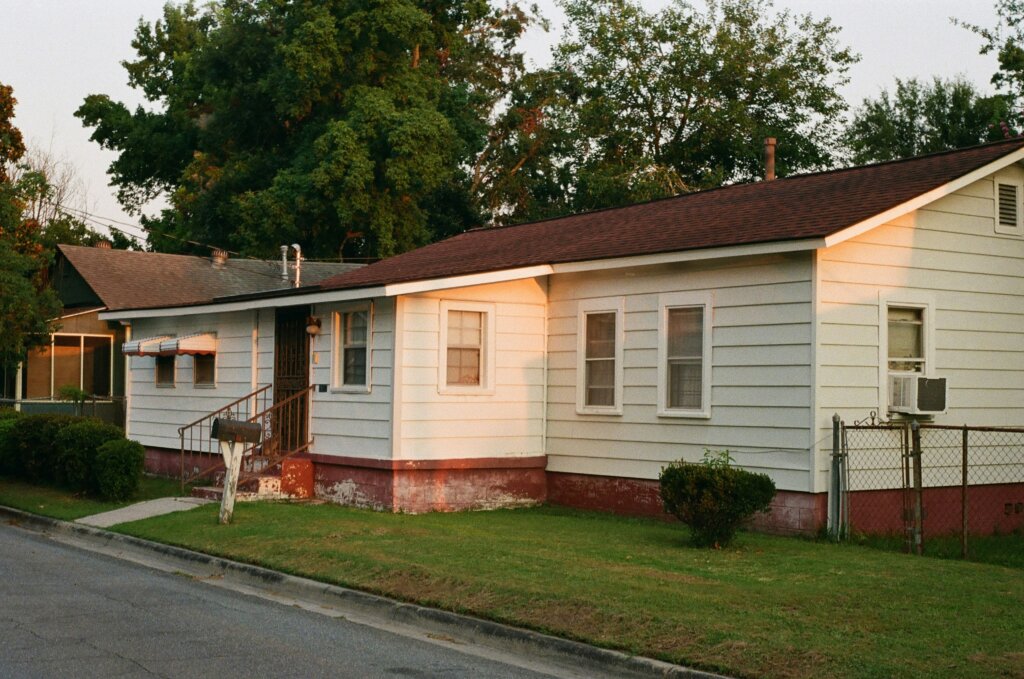
The Complete Home Selling Checklist for Michigan Homeowners
Getting ready to sell your house?
Whether you’re moving to a new home, downsizing, selling an inherited property, or simply ready for a change, there’s a lot to think about before handing over the keys.
You need to understand what your house might be worth, decide whether to make repairs, gather important paperwork, and choose how you want to sell.
And if you’ve never sold a house before, it can be difficult to know where to begin.
The good news is that you don’t have to figure everything out at once.
At HomeBridge Buyers, we work with homeowners throughout Metro Detroit who want a more straightforward way to sell their properties.
We’ve put together this practical checklist to help you prepare, avoid common surprises, and decide which selling approach makes the most sense for your situation.
Before You Do Anything, Decide What Matters Most
One of the biggest mistakes homeowners make is jumping straight into repairs or contacting an agent before thinking about their goals.
The best way to sell your house depends on what you’re trying to accomplish.
For example, if your property is in excellent condition and you want to maximize the sale price, listing with an experienced real estate agent may be a good option.
But if your house needs significant work, you’re managing an inherited property, or you simply want to avoid months of preparation, a direct cash sale may be worth considering.
Before getting started, ask yourself:
- Is getting the highest possible price my main priority?
- Do I need to sell by a particular date?
- Am I willing to spend money on repairs or improvements?
- Do I want to coordinate showings and negotiations?
- Would I prefer to sell the house in its current condition?
Your answers will help determine which steps you actually need to take.
Check Your Home’s Condition Before Spending Money
If you’re planning to list your house on the traditional market, presentation and condition can influence buyer interest.
But that doesn’t mean every property needs a major renovation.
Start by walking through the house and identifying issues that could affect its value or marketability.
Interior Preparation Checklist
- Check for plumbing leaks or visible water damage.
- Look for damaged flooring, walls, and ceilings.
- Test major appliances and mechanical systems.
- Identify outdated or damaged fixtures.
- Declutter rooms and storage areas.
- Consider whether painting or minor cosmetic repairs are worthwhile.
- Deep-clean kitchens, bathrooms, and common areas.
Exterior Preparation Checklist
- Inspect the roof for visible damage.
- Check gutters, siding, and exterior trim.
- Address obvious landscaping or drainage problems.
- Remove unnecessary items from the yard.
- Make sure walkways and entrances are accessible.
- Evaluate the condition of garages, sheds, and other structures.
If you plan to list the property, discuss potential improvements with your agent before spending money.
Some repairs may help attract buyers or avoid financing problems. Others may not increase the sale price enough to justify their cost.
What If You Don’t Want to Make Repairs?
You may not need to.
Many cash home buyers purchase properties as-is, including houses that need significant updates or renovations.
That means you can explore selling without completing the entire preparation checklist.
The property’s condition will generally affect the offer price, but you may be able to avoid managing the repairs yourself.
Gather the Documents You’ll Need to Sell
One of the easiest ways to prevent delays is to organize important property information early.
You don’t necessarily need every document before speaking with a buyer, but having the basics available can make the process smoother.
Ownership and Financial Documents
- Property address and parcel identification number, if available.
- Copy of your deed or other available ownership documents.
- Recent mortgage statement, if applicable.
- Contact information for your mortgage lender.
- Information about additional mortgages or liens.
- Recent property tax bills.
- Homeowners association information, if applicable.
- Government-issued identification for the owners.
A title company can generally obtain recorded ownership information and coordinate official mortgage payoff statements.
Property-Related Documents
- Records of major repairs or renovations.
- Available permits and warranties.
- Information about known property defects.
- Existing lease agreements if the property is rented.
- Any available survey or property plans.
- Required disclosure forms, when applicable.
Michigan has specific seller disclosure requirements, with exemptions that depend on the property and transaction.
Confirm which disclosures apply with a qualified Michigan real estate professional or attorney.
If You’re Selling an Inherited Property
You may also need probate documents, a death certificate, a will or trust information, or documents establishing who has authority to sell.
The exact requirements depend on how the property was owned and the estate’s circumstances.
You don’t need to resolve every legal question before exploring your options, but ownership issues may need to be addressed before closing.
Understand What Your House Is Worth
Before choosing a selling strategy, it’s helpful to understand your property’s potential value.
Online home value estimates can provide a starting point, but they don’t always reflect the condition of an individual house.
A more useful approach is to compare your property with recently sold homes in the same area.
Pay attention to differences in square footage, condition, layout, renovations, and location.
For example, a fully renovated house in your neighborhood may sell for significantly more than a similar property with an outdated kitchen, roof problems, and unfinished repairs.
Home Value Checklist
- Review recent comparable sales.
- Compare the condition of similar properties.
- Consider local buyer demand.
- Estimate necessary repairs.
- Ask an agent for a comparative market analysis if considering a listing.
- Compare the estimated listing proceeds with a potential as-is cash offer.
Remember that the highest possible sale price isn’t necessarily the amount you’ll receive after expenses.
Estimate the Actual Cost of Selling
Selling a house involves more than agreeing on a price.
Depending on your selling method, you may need to pay for repairs, agent compensation, closing expenses, and ongoing property maintenance.
Before deciding, prepare a realistic estimate.
Selling Expense Checklist
- Agent commissions or other agreed professional compensation.
- Repairs and renovations.
- Cleaning, staging, and photography.
- Title and settlement expenses.
- Applicable Michigan real estate transfer taxes.
- Property tax adjustments and other prorations.
- Mortgage payoff.
- Other liens or outstanding obligations.
- Additional utilities, insurance, and maintenance while waiting to sell.
- Moving and storage expenses.
Your estimated net proceeds are the amount left after applicable expenses and required payoffs.
If you’re comparing a traditional listing with a direct cash sale, calculate the expected proceeds for both options.
A cash offer may be lower than a traditional listing price, but it may also eliminate certain preparation expenses.
Choose How You Want to Sell
Once you understand your goals, property condition, and potential expenses, you can evaluate your options.
| Factor | Traditional listing | Direct cash sale |
|---|---|---|
| Preparing the house | Often beneficial | Usually less preparation |
| Repairs | May improve buyer interest | Many buyers purchase as-is |
| Showings | Often multiple | Usually limited |
| Agent involvement | Typically involves an agent | Can sell directly |
| Financing | Buyer may need a mortgage | No traditional buyer mortgage |
| Potential sale price | May be higher | Often below retail market value |
| Timeline | Depends on market and financing | May be faster, subject to closing requirements |
If your house is move-in ready and you have time to market it, a traditional listing may be the better option.
If your property needs work or you value convenience, a direct sale may be worth exploring.
If You’re Listing With an Agent, Prepare for Marketing
Once you decide to list your house, your agent can help develop a marketing strategy.
This may include professional photography, online listings, open houses, and private showings.
Listing Preparation Checklist
- Choose an agent and review the listing agreement.
- Agree on an asking price.
- Review the marketing plan.
- Arrange photography and listing materials.
- Complete agreed preparation work.
- Make the property accessible for showings.
- Review buyer feedback and market activity.
- Reevaluate pricing if necessary.
If you’re living in the house while selling, keeping it ready for showings may require ongoing effort.
For homeowners who don’t want to manage that process, a direct sale can offer an alternative.
Review Offers Carefully Before Signing
Receiving an offer is exciting, but the purchase price is only one part of the decision.
The agreement may contain conditions affecting whether the transaction closes and how much money you receive.
Offer Review Checklist
- Confirm the proposed purchase price.
- Review the earnest money deposit and its terms.
- Understand inspection and financing contingencies.
- Check the proposed closing date.
- Confirm who pays closing expenses.
- Review any repair requests or concessions.
- Understand the buyer’s cancellation rights.
- Check whether the contract can be assigned.
- Confirm when possession transfers.
- Ask questions about anything you don’t understand.
A cash offer eliminates traditional mortgage financing requirements, but it may still include inspection, title, or other contingencies.
Don’t assume a cash offer is guaranteed to close simply because the buyer doesn’t need a mortgage.
What Happens After You Accept an Offer?
Once you sign a purchase agreement, the transaction moves toward closing.
In Michigan, a title company or qualified real estate attorney commonly coordinates important closing tasks.
These may include verifying ownership, reviewing recorded liens, obtaining mortgage payoff information, preparing settlement documents, and arranging the transfer of funds.
Some transactions are straightforward.
Others require additional work, particularly when there are inherited ownership interests, old mortgages, unpaid property taxes, or other title concerns.
Closing Preparation Checklist
- Confirm the title company or closing attorney.
- Respond to requests for identification and documents.
- Provide mortgage lender information when requested.
- Address any known title or ownership issues.
- Review the estimated settlement statement.
- Confirm the closing date and signing arrangements.
- Verify how sale proceeds will be disbursed.
- Arrange moving and possession details.
- Gather keys, garage openers, and access information.
- Coordinate utility transfers.
If you’re receiving proceeds by wire transfer, verify instructions directly with the closing company using a trusted phone number.
What Should You Do on Closing Day?
Closing day is when the final transaction documents are signed and the sale is completed according to the agreed terms.
Before signing, review the settlement statement to understand the purchase price, payoffs, expenses, and amount you expect to receive.
If you don’t understand a charge, ask the closing professional for an explanation.
Make sure any remaining obligations, including agreed repairs or possession arrangements, are addressed.
Once the transaction is completed, ownership transfers and the sale proceeds are disbursed according to the closing arrangements.
What Can You Skip If You’re Selling As-Is for Cash?
One of the biggest differences between a traditional listing and a direct cash sale is the amount of preparation involved.
If you’re selling to a buyer who agrees to purchase your property as-is, you may be able to skip:
- Major renovations before selling.
- Cosmetic updates intended only to attract buyers.
- Professional staging.
- Listing photography and marketing.
- Repeated public showings.
- Coordinating repairs requested by traditional buyers.
However, you still need to review the purchase agreement, comply with applicable disclosure requirements, establish legal ownership, and complete the closing process.
Selling as-is can simplify the preparation, but it doesn’t eliminate the legal and financial responsibilities involved in transferring property.
Frequently Asked Questions About Selling a House in Michigan
What should I do first when selling my house?
Start by identifying your goals, timeline, and willingness to make repairs. Then evaluate your property’s condition and potential value before deciding how to sell.
What documents do I need to sell a house in Michigan?
Common documents include identification, mortgage information, ownership records, applicable disclosure forms, and any additional paperwork requested by the title company or closing attorney. Requirements vary by transaction.
Do I need to repair my house before selling?
Not necessarily. You can list a property as-is or explore selling directly to a cash buyer. The property’s condition may influence the offer price.
Can I sell my house without a realtor?
Yes. Michigan homeowners can sell directly to buyers without hiring a listing agent. Professional title or legal assistance may still be appropriate.
How long does selling a house take?
The timeline depends on the selling method, market conditions, buyer financing, title work, and other transaction requirements. Cash transactions can be faster, but no single closing timeline applies to every property.
What if my house has a mortgage?
You can often sell a property with an existing mortgage. The outstanding balance is generally paid from the sale proceeds at closing, provided the transaction can satisfy the required obligations.
Your Home Sale Doesn’t Have to Be Complicated
Selling a house involves important decisions, but having a clear plan can make the process easier.
Whether you choose a traditional listing or a direct cash sale, understanding the steps, expenses, and paperwork helps you move forward with confidence.
At HomeBridge Buyers, we help homeowners throughout Metro Detroit explore a simpler alternative to traditional listings.
If your house needs repairs, you’ve inherited a property, or you simply want to avoid extensive preparation, we’re here to discuss your options.
We’ll learn about your property, evaluate its condition, and explain whether a direct cash offer could be a good fit.
Want to see what your house could sell for without making repairs? Request a free, no-obligation cash offer from HomeBridge Buyers.
You can compare the offer with your other options and decide what works best for you.