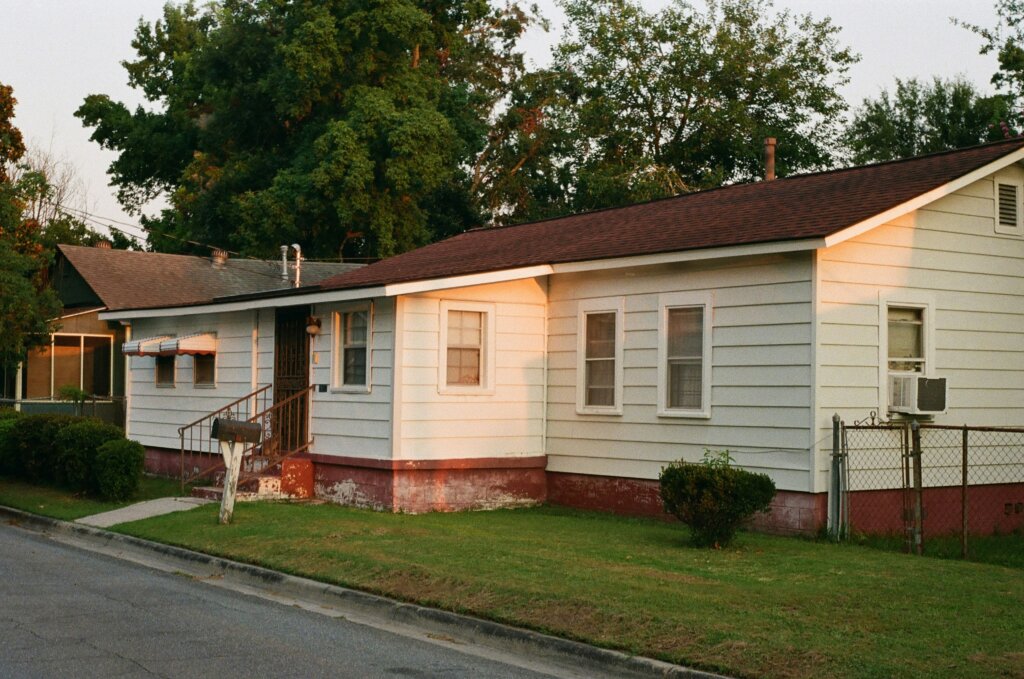
Cash Offer vs. Traditional Home Sale: Which Option Makes More Sense for You?
You’re thinking about selling your house, and you have two options.
You could hire a real estate agent, list your property, and see what buyers are willing to pay.
Or you could sell directly to a cash home buyer, potentially avoid repairs and showings, and move forward with a more straightforward transaction.
Both options can work. But they offer different advantages, and choosing the wrong one for your situation could cost you time, money, or unnecessary stress.
The biggest question isn’t simply which option gets you the highest offer.
It’s which option gives you the best overall outcome based on your home’s condition, your timeline, and the money you’ll actually receive.
At HomeBridge Buyers, we work with homeowners throughout Metro Detroit who are exploring alternatives to traditional real estate listings.
In this guide, we’ll compare the two approaches so you can make an informed decision.
Start With Your Priorities, Not the Selling Method
Before choosing how to sell your house, ask yourself what matters most.
Are you trying to get the highest possible price, even if the process takes longer?
Do you want to avoid making repairs?
Are you relocating and need to coordinate a specific closing date?
Or are you managing an inherited or vacant property that you simply don’t want to maintain anymore?
Your answers can help determine which selling approach makes more sense.
A homeowner with a fully renovated house in a desirable neighborhood may benefit from exposing the property to as many buyers as possible.
Someone with an older home that needs substantial work may prefer a direct offer that doesn’t require renovations.
Neither homeowner is necessarily making a better decision.
They’re solving different problems.
Cash Buyer vs. Real Estate Agent: The Main Differences
Here’s how the two approaches generally compare.
| Factor | Selling to a Cash Buyer | Listing With an Agent |
|---|---|---|
| Potential sale price | Often below retail market value | May achieve a higher price |
| Repairs | Many buyers purchase as-is | Repairs may improve marketability |
| Showings | Usually limited | Often multiple showings |
| Agent commissions | No listing commission if selling directly without an agent | Negotiated compensation may apply |
| Buyer financing | No traditional mortgage approval | May depend on mortgage financing |
| Closing timeline | Potentially faster | Depends on marketing and financing |
| Negotiation | Usually with one buyer | May involve multiple buyers |
| Seller involvement | Often less preparation | More marketing and coordination |
| Main advantage | Convenience and simplicity | Broader market exposure |
These are general differences, not guarantees.
A cash buyer may still request inspections, and a traditional buyer may purchase a home as-is. Some homes sell quickly through agents, while cash transactions can be delayed by title issues.
The right decision requires looking beyond the labels.
Which Option Will Put More Money in Your Pocket?
This is where homeowners should pay the most attention.
A traditional listing may produce a higher purchase price, but the final amount you receive can be reduced by commissions, repairs, concessions, closing expenses, and additional carrying costs.
A cash investor may offer less for the property but allow you to avoid certain expenses.
Let’s look at a hypothetical Metro Detroit example.
Example: Selling an Older House That Needs Repairs
Suppose you own a property that could sell for $190,000 after preparing it for the market.
You also receive an as-is cash offer of $155,000.
At first glance, the traditional sale looks $35,000 better.
But consider the estimated expenses.
| Item | Traditional listing | Direct cash sale |
|---|---|---|
| Sale price | $190,000 | $155,000 |
| Agent commission | -$9,500 | $0 |
| Repairs and preparation | -$12,000 | $0 |
| Other closing expenses | -$3,500 | -$1,500 |
| Additional holding expenses | -$3,000 | -$500 |
| Estimated proceeds before mortgage payoff | $162,000 | $153,500 |
This is a hypothetical illustration, not an actual HomeBridge Buyers offer or a verified Metro Detroit market estimate.
In this example, listing produces approximately $8,500 more before the mortgage payoff.
But it also requires the homeowner to spend money on repairs, coordinate the listing process, and wait for a buyer.
For some homeowners, the additional proceeds justify the work.
For others, the convenience of selling as-is may be worth more than the difference.
The important comparison is your estimated net proceeds, not simply the advertised sale price.
What If Your House Needs Major Repairs?
Property condition can significantly influence which selling method makes sense.
If your house is move-in ready, listing it on the open market may attract buyers willing to pay a premium for its condition and location.
But if the property needs a new roof, extensive plumbing repairs, or major interior updates, the situation changes.
You may need to invest money before listing or accept that traditional buyers will negotiate based on the property’s condition.
Some properties may also have issues that complicate conventional mortgage financing.
Cash investors often evaluate homes based on their existing condition and potential after repairs.
That doesn’t mean they’ll pay the same price as a retail buyer.
It means you may be able to sell without completing the improvements yourself.
For homeowners who don’t have the money, time, or desire to renovate, this can be a meaningful advantage.
How Important Is Your Selling Timeline?
Time is another major difference.
When you list with an agent, you generally need to account for two periods.
First, the time it takes to prepare and market the house and receive an acceptable offer.
Second, the time between accepting that offer and completing the transaction.
If the buyer is financing the purchase, mortgage underwriting and appraisal requirements may affect the closing schedule.
A genuine cash buyer doesn’t need traditional mortgage approval, which can remove one source of delay.
However, cash transactions still require title work, closing documents, and any inspections or other conditions specified in the agreement.
If the property has ownership issues, unpaid liens, or probate requirements, closing may take longer.
When a Faster Sale Matters
A shorter transaction can be particularly valuable if you’re relocating, maintaining a vacant property, or dealing with an inherited house.
But not everyone wants to close immediately.
Some homeowners need extra time to move or coordinate their next living arrangement.
Discuss your preferred closing date with any potential buyer and make sure the agreement reflects a realistic timeline.
How Much Work Are You Willing to Put Into Selling?
One factor homeowners sometimes overlook is the amount of personal involvement required.
With a traditional listing, you may need to prepare the property for photography, coordinate repairs, keep the home ready for showings, and respond to buyer requests.
Your agent can manage much of the process, but selling still requires your participation.
With a direct cash buyer, the process may involve fewer property visits and less preparation.
If the buyer agrees to purchase the house as-is, you may not need to renovate or stage it.
For a homeowner with a busy schedule, a vacant property, or a house located far from where they live, that difference can be significant.
Convenience has value, even if it doesn’t appear as a line item on a closing statement.
Is a Cash Offer More Reliable Than a Traditional Offer?
A cash offer eliminates the risk of a traditional buyer’s mortgage application being denied.
That’s a meaningful advantage.
However, cash doesn’t automatically guarantee that the transaction will close.
A purchase agreement may still include inspection contingencies, title requirements, or other conditions that allow the buyer to cancel under certain circumstances.
And some buyers advertising cash offers may intend to assign the contract to another investor rather than purchase the property themselves.
Before signing, ask the buyer how the transaction will be funded, whether the contract can be assigned, and what conditions must be satisfied before closing.
You should also understand which title company or closing attorney will handle the transaction.
The strength of an offer depends on more than whether the buyer calls it a cash offer.
When Listing With a Real Estate Agent Is Probably the Better Choice
A traditional listing may be the stronger option if your house is in good condition, you have time to market it, and your primary goal is maximizing the sale price.
Listing gives your property exposure to a broader pool of potential buyers.
In a competitive market, that exposure can create opportunities for multiple offers or stronger negotiating terms.
An experienced agent can also help with pricing, marketing, negotiations, and transaction coordination.
Of course, market conditions vary, and listing doesn’t guarantee a particular sale price or timeline.
But if you’re comfortable preparing the house and waiting for the right buyer, the potential financial upside may be worth it.
When Selling Directly to a Cash Buyer May Make More Sense
A cash sale may be worth exploring when you want to avoid substantial repairs, reduce showings, or sell a property that has become difficult to manage.
For example, imagine inheriting a house in Detroit while living several hours away.
The property needs updates, the utilities are still running, and you don’t want to spend months coordinating contractors.
You could renovate and list it, but that would require additional time, money, and effort.
A direct cash offer would give you another option to compare.
The same applies to homeowners dealing with vacant houses, unwanted rental properties, or major life transitions.
The important thing is to compare realistic outcomes rather than assume one selling method is always better.
How to Compare Your Options Before Making a Decision
You don’t have to choose a selling method before understanding what each one might look like.
Start by getting a realistic estimate of what your house could sell for through a traditional listing.
Ask a local real estate agent to explain the comparable sales, likely preparation costs, expected marketing timeline, and estimated selling expenses.
Then compare that estimate with a written cash offer.
Review the offer’s price, closing conditions, expected expenses, and proposed timeline.
If the difference in net proceeds is substantial, you can decide whether the convenience of a direct sale justifies it.
If the difference is relatively small, avoiding repairs and a lengthy listing process may be more appealing.
Either way, you’ll be making the decision with better information.
Frequently Asked Questions
Is it better to sell a house for cash or use a realtor?
It depends on your priorities. Listing with an agent may produce a higher sale price through broader market exposure. Selling directly to a cash buyer may reduce preparation, showings, and financing-related delays.
Will I get less money if I sell my house for cash?
Cash investors often offer less than a property’s potential retail sale price because they account for repairs, expenses, and investment risk. Compare estimated net proceeds rather than only the purchase price.
Can I sell my house without a real estate agent?
Yes. Homeowners can sell directly to buyers without hiring a listing agent. However, existing listing agreements may create commission obligations, and professional legal or title assistance may still be appropriate.
Do cash buyers purchase houses in poor condition?
Many do. Cash investors frequently consider properties that need repairs or renovations. The condition of the property generally affects the offer.
Can a traditional home buyer also pay cash?
Yes. Cash purchases aren’t limited to investors or home-buying companies. Individual homebuyers may also purchase properties without mortgage financing.
Which option is faster?
Cash transactions can be faster because they don’t require traditional mortgage underwriting. However, the total timeline depends on property condition, buyer readiness, title work, and contractual requirements.
Explore Your Options With HomeBridge Buyers
At HomeBridge Buyers, we understand that selling your house is about more than the price.
It’s about finding an approach that fits your circumstances.
Some homeowners want to maximize their proceeds through a traditional listing. Others would rather avoid repairs, reduce uncertainty, and move forward with a simpler process.
We work with homeowners throughout Metro Detroit who are interested in exploring a direct sale.
Whether your house needs repairs, you’ve inherited a property, or you’re simply ready to sell, we’ll start by learning about your situation.
If the property is a fit, we’ll discuss a potential cash offer so you can compare it with your other options.
Want to see how a cash offer compares to listing your house? Request a free, no-obligation cash offer from HomeBridge Buyers.
No need to renovate before reaching out. Just a straightforward conversation about your property and what matters most to you.