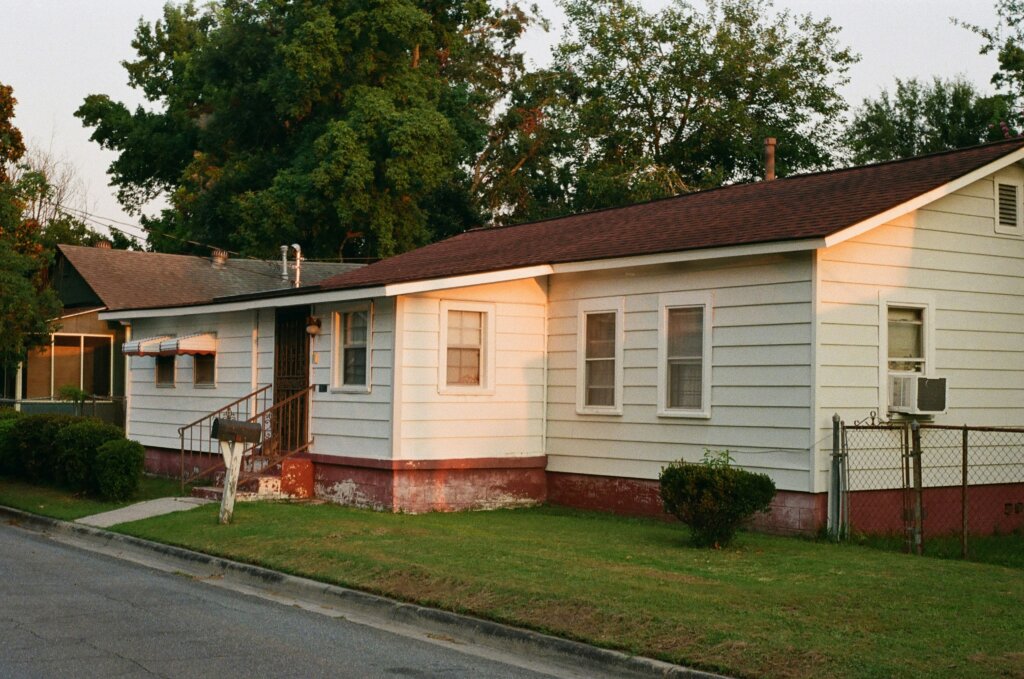
How Long Does It Take to Sell a House in Metro Detroit, Michigan
If you’re asking how long to sell a house in Metro Detroit, the short answer is: it depends — typically a traditional home sale takes several weeks to several months, while a cash sale can close in as little as one to four weeks. Factors that most influence the timeline include price, condition, location, and whether the buyer needs financing.
This practical guide explains what to expect when selling your home in the Metro Detroit real estate market, walks through the typical timeline for both traditional listings and quick cash sales, and shows when selling to a cash buyer like Home Bridge Buyers may be the fastest, lowest-stress option. Read on to get a realistic timeline for your home sale and a simple checklist to help you decide which route fits your needs.
The Traditional Home Sale in Metro Detroit
The steps for a traditional home sale are familiar, but timing in the Metro Detroit housing market varies significantly by neighborhood, price range, and the home’s condition. Inventory levels, buyer demand, local seasonality, and whether buyers need financing are the main drivers of how long your home sits on the market.
Below is a clear, step-by-step look at the traditional process so you can estimate timing and plan your home sale effectively.
Getting Ready. The Pre-Listing Phase
Preparing your property for market is often the first time investment sellers make. Typical tasks include decluttering, deep cleaning, minor repairs (paint, handles, light fixtures), addressing major issues if needed (roof, HVAC), and staging or professional photography. In higher-demand neighborhoods buyers increasingly expect move-in ready homes, which can shorten time on market but may require upfront spending.
Estimated time: a few weeks for light prep; several months if major repairs or permits are required. Tip: prioritize fixes that improve perceived value (kitchen/curb appeal) to get more competitive offers.
Listing and Showings. Finding the Right Buyer
Once listed with a real estate agent, your home gets professional photos, a listing description, a pricing strategy, and open/ private showings. How quickly offers arrive depends heavily on price and marketing: a well-priced home in a high-demand pocket can get shows and offers within days; in slower areas or price tiers, expect weeks or longer.
Practical tip: review comparable listings and recent sales (comps) with your agent to set a competitive market price and reduce days on market.
Offers, Negotiations, and Contracts
When offers arrive, negotiations begin over price, contingencies, inspection repairs, and closing dates. Even clean offers often involve back-and-forth. Multiple offers can speed a sale and improve price; a single conditional offer may extend the timeline.
Estimated time: a few days to several weeks depending on complexity and whether buyers are financing the purchase.
Inspections, Appraisals, and Closing
After a contract is signed, inspections and a lender appraisal (if the buyer is using financing) typically follow. Lender timelines and appraisal issues are common causes of delay; repairs requested after inspection can also push the closing out.
Estimated time: in Metro Detroit, financed closings commonly add about 30 to 45 days after contract signature — longer if appraisal or title issues arise.
So, How Long Does a Traditional Home Sale Take?
When you combine preparation, marketing, negotiations, inspections, and closing, a traditional home sale in Metro Detroit typically takes 60 to 120 days, though local market conditions and property-specific issues can make sales faster or slower.
If you want a more precise estimate for your neighborhood or home type, ask your real estate agent for recent days on market data and comparable sales — that’s the best way to predict how long it will take to sell your home.
The Fast Option. Selling to a Metro Detroit Cash Home Buyer
If the traditional selling process feels too slow, uncertain, or expensive, selling to a local cash buyer is a common alternative in Metro Detroit that speeds up the sale and reduces hassle.
What Is a Cash Home Buyer?
Cash buyers are individuals or companies that purchase homes using their own funds, so there are no lender approvals or financing contingencies to slow the sale. Local buyers often purchase properties as-is — from updated homes to those needing repairs — which can be especially helpful if you want to avoid renovation costs and lengthy listings.
Companies like Home Bridge Buyers focus on quick purchases across Metro Detroit neighborhoods, offering a simpler alternative to the full MLS listing process.
Why Cash Sales Are Faster
The main advantage is predictability: without lender appraisals, underwriting, or financing contingencies, the timeline is shorter and less prone to late-stage delays. Cash buyers often skip showings, accept homes in their current condition, and set firm closing dates, which reduces uncertainty for sellers.
Typical Timeline With a Cash Buyer
A quick cash sale usually follows a compact sequence with predictable timing:
• You contact the cash buyer (phone or web form) — initial info takes minutes.
• The buyer evaluates the property — often a brief walk-through (15–30 minutes) or a remote assessment using photos.
• You receive a cash offer, commonly within 24–48 hours (fast-case), with clear terms.
• Once accepted, closing is scheduled — many cash deals close in as little as 7 to 30 days depending on title work and seller needs.
Example timelines: fastest-case (contact → offer → close) can be under two weeks; typical quick sale often takes 2–4 weeks. These timelines are much faster than the standard financed home sale process because they remove underwriting and appraisal waits.
Cash offers often come in below full retail value because buyers factor in repair costs, holding costs, and resale margins — but many sellers accept a slightly lower price in exchange for speed, certainty, and a simpler selling process.
Is Selling to a Cash Buyer Right for You?
A cash sale isn’t the best fit for every seller, but it can be the ideal path when speed, convenience, or certainty matter more than maximizing sale price. Below is a short decision checklist — if one or more items apply to you, a cash buyer may be worth a conversation.
• Need to relocate quickly — Pro: fast closing (days to weeks); Con: cash offers may be lower than retail.
• Facing foreclosure or urgent financial pressure — Pro: quick sale can stop or prevent further penalties; Con: you may receive less than full market value.
• Inherited a property and want a fast, hassle-free closing — Pro: no probate listing headaches or ongoing maintenance; Con: you might trade some price for speed and convenience.
• Own a house that needs repairs — Pro: sell as-is without paying for renovations; Con: offers reflect repair and resale costs.
• Want to avoid showings, inspections, and the uncertainty of the listing process — Pro: fewer disruptions and predictable timing; Con: you may accept a lower net proceed in exchange for convenience.
Quick scenario (example): if your job requires an interstate move in 10 days and you can’t wait for a traditional listing, a cash buyer can often provide an offer and close within the timeframe you need — trading some price for speed. If keeping maximum market value is your top priority and you have time, the MLS listing route typically yields higher offers over a longer period.
If several checklist items apply to you and time is important, consider requesting a quick cash review — it’s often free and can give you a clear comparison between a fast cash offer and an estimated MLS sale net.
Balancing Time, Price, and Stress
Selling a home in Metro Detroit often comes down to a trade-off between maximizing market value and minimizing time, hassle, and uncertainty. The traditional MLS route usually targets higher sale prices but requires more prep, showings, and a longer time to close. Selling to a cash buyer speeds up the process and reduces stress, but cash offers typically reflect repair costs and resale margins.
Quick comparison (pros & cons):
• Traditional MLS listing — Pros: higher potential sale price and multiple offers in hot markets; Cons: longer time to close, showings, repair requests, and uncertain net proceeds after agent fees and concessions.
• Cash sale to a local buyer — Pros: speed (days to weeks), predictable timeline, sell as-is (save on repair costs), fewer contingencies; Cons: cash offers often come below full list price to cover repairs, holding costs, and investor margins.
Questions to help you decide:
• Do you need proceeds within a specific timeframe (weeks vs. months)?
• Are you willing to invest in repairs or staging to increase market value?
• Is avoiding showings, inspections, or uncertainty more valuable than getting the highest possible price?
Action step: if you’re unsure, get both estimates — ask an agent for a quick MLS comparative market analysis (estimated market value and likely days on market) and request a no-obligation cash offer. Comparing estimated net proceeds (after fees and repairs) and the time to close will show the clearest path for your priorities.
Ready to Sell Your House Fast in Metro Detroit?
So how long does it take to sell a house in Metro Detroit? While results vary by neighborhood and condition, the practical comparison is straightforward:
• Traditional sale (MLS listing): Expect several months from prep to closing — commonly a total timeline of about 60 to 120 days depending on pricing, offers, inspections, and financing.
• Cash sale (local buyer): Potentially as little as one to four weeks from contact to closing, since there are no lender underwriting delays or financing contingencies.
Both paths have pros and cons: the MLS route can deliver higher prices and broader buyer exposure, while a cash sale typically offers speed, predictability, and the ability to sell as-is. The right choice depends on your timeline, financial needs, and tolerance for uncertainty.
Next Steps: A Simple 3-Point Checklist
1) Get a quick cash offer — usually within 24–48 hours after a short walk-through or photo review; good when you need speed and certainty.
2) Request an MLS comparative market analysis from a local real estate agent — this gives estimated market value, expected days on market, and likely net proceeds after fees.
3) Compare net proceeds and timelines — weigh the difference in projected sale price against how much time and stress you save with a cash sale.
Quick FAQ — Common Questions About Time and Process
Q: How long does a financed buyer add to closing?
A: In Metro Detroit, financed closings commonly add about 30–45 days after contract signing (longer if appraisal or title issues arise).
Q: Will a cash offer always be lower?
A: Cash offers often come in below full retail because buyers account for repair costs and resale margins — but the trade-off can be worth it for sellers prioritizing speed and certainty.
Q: How do cash buyers calculate offers?
A: Typical considerations include comparable sales (comps), estimated repair costs, holding costs, and the investor’s target resale value (after-repair value or ARV).
Want a No-Obligation Cash Offer or Local Market Data?
If you want to understand your options or receive a no-obligation cash offer, Home Bridge Buyers can provide a quick cash estimate and walk you through expected net proceeds and timing for your Metro Detroit property. Comparing a cash offer to an MLS estimate gives you the clearest picture of which path fits your priorities.
Understanding the timeline and the trade-offs puts you back in control of your home sale — whether you choose the traditional market or a fast cash sale.