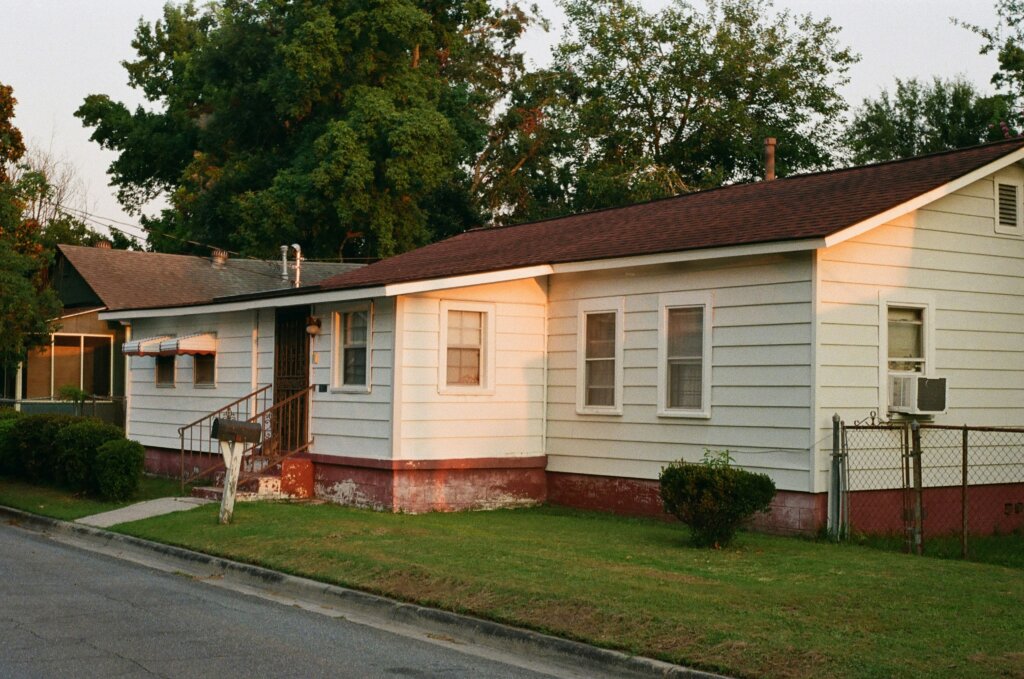
Home Selling Checklist. A Complete To Do Guide
Selling a home or house can feel overwhelming. This practical home selling checklist breaks the process into clear, actionable steps so a seller can stay organized, reduce stress, and move the sale forward with confidence.
Whether you work with a real estate agent, an estate agent, or sell directly to buyers, this guide walks through preparing your property, assembling paperwork, pricing and marketing, managing offers, and closing the sale. Use it to make sure nothing important is missed and to attract serious potential buyers.
What this guide covers: preparing the home and rooms for photos and showings, documents to gather, pricing strategy, marketing to buyers and the market, negotiating offers, and a closing checklist. Want a printable version? Download the PDF checklist at the end to use room-by-room or share with family and your agent.
Step 1. Prepare the Property
First impressions matter. Buyers often form an opinion within seconds of seeing a home.
Quick room-by-room action list (easy to follow, one weekend if you’re ready sell):
- Interior — Declutter & clean: Remove personal photos and excess furniture so each room shows space and flow. Make sure closet and counter surfaces are organized. Deep clean floors, windows, walls, bathrooms, and kitchen surfaces (a fresh caulk around tubs and a clean grout line can make a big difference).
- Minor repairs: Fix dripping faucets, squeaky doors, loose cabinet handles, burned-out light bulbs, and chipped paint. Small fixes typically cost little but improve perceived value — consider a fresh, neutral paint touch-up in high-traffic rooms.
- Staging tips: If you keep furniture, arrange it to show each room’s purpose and traffic flow; if you remove furniture, use a few well-chosen pieces to demonstrate scale. For the kitchen, clear counters of small appliances; in bedrooms remove excess items so the room reads as restful and spacious.
- Lighting & photos: Make sure all light fixtures use bright, warm bulbs and open blinds to maximize natural light for photos and showings — buyers notice light and feel. Rearrange lamps to eliminate dark corners.
- Exterior & curb appeal: Mow the lawn, trim bushes, sweep walkways, and power wash siding or the driveway if needed. A clean front door and tidy entry set the tone; add a potted plant for color if appropriate.
Estimated time & cost examples: a one-day deep clean and declutter (DIY) can take 4–8 hours; minor repairs (faucet, door hinge, paint touch-up) typically run $50–$300 depending on whether you DIY or hire help. Professional staging or photography is an extra cost but often pays back by attracting more buyers and better offers.
Make home ready for showings with these simple checks before every visit: wipe counters, remove dishes, turn on all lights, open curtains, and remove pets if possible. These small steps help buyers focus on the house and picture their family living there.
Want a printable, room-by-room checklist to take with you as you prep? The downloadable PDF at the end includes this list and extra items to tick off for each room.
Step 2. Assemble Required Documents
Prepared paperwork keeps deals moving and prevents delays.
Gathering organized documents up front speeds the process for buyers, agents, and title companies. Group items into categories so you can hand over clear copies quickly (electronic scans are fine — but redact sensitive numbers when possible).
- Ownership & legal: Property deed and any mortgage documents showing current lien details. These prove you can sell the home and help the title company start the title search.
- Financial: Recent mortgage statement and payoff information (contact your lender for an official payoff quote). Also collect HOA dues statements if applicable so buyers can see recurring costs.
- Property history & maintenance: Utility bills, service records, warranties, and receipts for major repairs or upgrades. These items reassure buyers about condition and can justify value.
- Disclosures & local forms: Provide required disclosure forms for your state or municipality. (If you’re selling in Michigan, include the state-required property disclosure — confirm the current form with your agent or attorney.)
- Optional but helpful: A recent survey, floor plan, and records for permits or completed work. A pre-listing inspection report can also speed negotiations by increasing transparency to buyers.
How to retrieve them: contact your lender for payoff statements, request HOA documents from the HOA or management company, and scan paper receipts into a secure folder. Make sure any shared files remove or hide sensitive personal data (social security numbers, full bank account numbers).
Need a simple documents checklist to download? The printable PDF at the end includes a grouped “Documents to Gather” section you can email to your real estate agent or title company.
Step 3. Evaluate the Home’s Market Position
Pricing correctly is one of the most important steps in selling.
A realistic, data-driven price attracts serious buyers and avoids long days on market. Use specific, repeatable tactics below to position your home effectively in the local real estate market.
- Pull 3–5 comparable sales: Look for recently sold homes within 0.5–2 miles that match your home’s size, age, room count, and condition. Note sale price, list price, and days on market to understand how the market is performing.
- Adjust for differences: Make adjustments for one more room, a finished basement, lot size, or major upgrades — for example, a remodeled kitchen often adds significant value compared with similar houses that haven’t been updated.
- Watch market signals: Track active listings, pending sales, and recent closings to gauge buyer demand and the right listing price. In a fast market, price slightly more aggressively; in a slow market, price for interest to avoid long holds.
- Consider a pre‑listing inspection: A pre-listing home inspection can uncover issues early, let you make targeted repairs, and provide transparency to buyers — reducing the chance of renegotiation after an offer.
- Set a competitive asking price: Combine comps, condition, and local market trends to set a price that reflects value but also attracts potential buyers. Discuss strategy with your real estate agent or estate agent to align pricing with your goals (speed vs. top value).
If you’re in Metro Detroit or another specific area, check MLS reports, county assessor data, and local market updates for accurate comparables. A quick example: if three similar homes sold for $250k–$265k but included a renovated kitchen and your kitchen is original, price toward the lower end or plan to invest in targeted updates to increase value.
Remember appraisal and loan risk: aggressive pricing can trigger appraisal gaps for buyers using financing. Make sure your pricing plan anticipates appraisal outcomes and discuss options (price flexibility, appraisal contingency language) with your agent.
Step 4. Market the Property
Visibility drives buyer interest and activity.
Strong marketing helps your home reach the right buyers and can speed up the sale or increase the final offer. Combine professional visuals, clear listing copy, MLS exposure, and targeted ads to reach potential buyers across the market.
Photos & video — make the home shine
- Hire a pro: Professional photos and a short video tour show your house at its best. Photographers know how to capture natural light, frame rooms to show space, and highlight the front door and curb appeal.
- Shot list to request: Exterior curb shot, front door, living room, kitchen, primary bedroom, bathroom, backyard, and a floor-plan or wide-angle overview to show flow.
- Prep for photos: Make sure counters are clear, furniture arranged to show scale, light bulbs are bright, and curtains are open. Small staging touches in the kitchen and primary room go a long way.
Listing copy & MLS
- Clear, compelling description: Lead with top selling points (location, recent upgrades, number of rooms) and include specifics: square footage, bedroom/bath counts, garage, and neighborhood highlights.
- MLS & syndication: Make sure the MLS listing is complete and accurate — this feeds major real estate sites and reaches the widest audience of potential buyers and agents.
- Sample opener: “Updated 3‑bed home with bright kitchen, spacious primary suite, and fenced backyard — minutes from schools and shopping.” Use this as a template to showcase upgrades and value.
Digital ads & social targeting
- Target audiences: Test campaigns aimed at local buyers, families, and investors. Use demographic targeting (families, recent searchers) and geographic radius targeting around your neighborhood to reach likely buyers.
- Boost listings: Promote the best photos and the video tour on social channels to drive traffic to your MLS or listing page and attract more showings.
Showings & open houses
- Private showings: Keep the home tidy, well-lit, and neutral for private tours so buyers can picture their family there.
- Open houses: Use open houses strategically to attract local buyers and agents — pair with strong signage and the best photos to drive attendance.
Want a printable photo shot list and sample listing template? Download the PDF at the end of this guide — it includes the exact shots and fields to fill in for your MLS entry so you can present your home in the best way possible.
Step 5. Manage Offers and Negotiations
Price matters, but terms matter just as much.
When offers arrive, evaluate the whole package — price, financing, contingencies, and timeline. A slightly lower offer from a cash buyer or a buyer with strong financing and few contingencies can be stronger than a higher offer with many conditions.
Key items to review
- Purchase price & earnest money: Higher earnest money shows buyer commitment. Consider both the offer amount and how solid the buyer appears.
- Financing & loan terms: Verify whether the buyer is cash or financing with a loan and check any financing contingencies. Loan approvals and lender timelines can affect your closing date and the likelihood of a funded sale.
- Contingencies & timelines: Inspect the inspection period, appraisal contingency, and requested closing date. Shorter contingencies and flexible closing windows often make offers more attractive.
Preparing for inspections and repairs
- Be ready to negotiate repairs: When an inspection report arrives, you generally have three options: agree to fix items, offer a credit at closing, or decline and adjust the price. Consider cost, timing, and how repairs affect the pool of potential buyers.
- Typical response times: Respond promptly — within 24–48 hours if possible — to keep momentum and show good faith to potential buyers and their agents.
- Sample counteroffer language: “We accept your offer with a $2,000 credit at closing in lieu of repairs, and a closing date of 30 days after contract.” Keep responses clear and consult your agent or attorney before signing.
Appraisals and closing risk
If the buyer uses a loan, an appraisal could come in below the agreed price, creating an appraisal gap. Make sure you have a plan: negotiate with the buyer, offer a small credit, or be prepared to adjust the price. Discuss appraisal risk with your real estate agent to understand local appraisal behavior.
Throughout negotiations, lean on your agent or estate agent for strategy and legal advice. Staying responsive and transparent helps keep buyers engaged and protects your home sale process.
Step 6. Prepare for Closing
Organization during closing prevents last minute issues.
Once you’re under contract, a few practical steps keep your home sale on schedule and reduce stress at settlement. Coordinate with your title company or attorney, confirm the closing date, and use the checklist below to wrap up logistics.
Closing timeline — key checkpoints
- 30 days before: Confirm closing date with buyer, title company, and your agent. Order payoff statement from your lender and collect any final paperwork requests from title.
- 14 days before: Schedule movers early (prime dates fill fast). Notify your utility providers of transfer or shut-off dates and provide forwarding addresses for final bills.
- 7 days before: Complete any agreed repairs or arrange credits. Prepare a folder with final documents you’ll bring to closing (ID, keys, garage openers, manuals, and any receipts for recent repairs).
- 1 day before: Do a last walkthrough to ensure the property is in the agreed condition, utilities are on (if required), and the home is clean and accessible for the final walkthrough.
What to bring and final tasks
- Documents & ID: Bring a government ID, a copy of the contract, and any documents requested by the title company or attorney.
- Keys & access items: Gather all house keys, garage door openers, alarm codes, and appliance manuals to hand to the buyer at closing or during the final walkthrough.
- Closing costs & prorations: Review the settlement statement in advance so you understand prorations for property taxes, HOA fees, and seller-side costs. Ask your title company to explain any line items you don’t recognize.
A clean, well-documented final walkthrough and timely utility transfers help prevent last-minute delays. Use the downloadable closing-day checklist in the PDF to make sure you cover every item and leave the property ready for the new owners.
Step 7. Consider a Cash Offer as an Alternative
Speed and simplicity can outweigh price in certain situations.
If you need to sell the home quickly, have limited time for showings, or want an as‑is sale, a cash offer is a viable alternative to listing on the MLS. Cash transactions often close in days or weeks and usually involve fewer contingencies than financed deals.
Pros & cons at a glance
- Pros: Faster closing, fewer inspections/contingencies, and less prep or showings required — useful when you’re ready sell quickly or need certainty on timing.
- Cons: Cash offers often come in below full retail value because buyers factor in risk and repair costs. Limited market exposure can reduce the number of potential buyers and the final sale price.
How to evaluate a cash buyer
- Request proof of funds: Verify the buyer can close. A bank statement or escrow confirmation is standard.
- Clarify timeline & fees: Ask for the expected closing date, any service or convenience fees, and whether they require title or attorney involvement.
- Compare net proceeds: Estimate the difference between an MLS sale net and the cash offer after fees. Even if the cash number is lower, the speed and certainty may be worth it for some sellers.
Local buyers and companies (for example, Home Bridge Buyers in Metro Detroit) may purchase homes in any condition. If you include a company name, make sure to verify they operate in your area and review any contract terms carefully. When assessing options, discuss trade-offs with your real estate agent or estate agent to determine whether a quick cash sale or listing on the market better fits your goals.
For many sellers the right choice depends on timing, desired sale proceeds, and how much effort you want to put into preparing the property. Use the checklist PDF to compare scenarios and make an informed decision.
Use This Checklist as Your Selling Resource
This home selling checklist simplifies the process of preparing and selling your home. It organizes the steps, reduces surprises, and helps you focus on the things that matter most to attract serious buyers and complete a smooth sale.
Whether you plan a traditional MLS listing with a real estate agent or prefer a direct cash sale, following a clear checklist makes sure you don’t miss key items — from rooms and photos to documents and closing tasks.
Get the printable version: our downloadable PDF contains a one‑page room-by-room checklist, a documents list, a photo shot list, and a simple closing timeline you can share with family or your agent. Enter your email and we’ll send the PDF directly to your inbox — we only use your email to deliver this resource and will not share it.
Next steps you can take right now: (1) Download the PDF and walk through the room checklist, or (2) contact a local real estate agent or estate agent for a market consultation or quick estimate. If you want an immediate cash option, ask for a proof-of-funds statement and a written net-proceeds estimate before deciding.
Want help choosing the best path to sell your house? Reach out to an agent for a free consultation, or use the checklist to prepare your home and compare scenarios — whether you want to sell home quickly or aim for top value, this guide gives you the practical items to act on today.